Lionel trains have long been a standard of model railroading. The products they produced over
the years have been copied, reproduced and emulated by many other manufacturers. It may be the best known name in
the world of scale model and toy trains.
 It was founded as the Lionel Manufacturing Company in 1900 by Joshua Lionel Cowen
(originally spelled Cohen), a young inventor. Joshua Lionel Cowen, born in New York City on August 25,
1877, did not set out to create the electric model train or to found one of the most successful 20th
century toy manufacturers in the United States. Cowen was the eighth of nine children. His father was
in real estate while his mother was a shopkeeper. His inquisitive mind led him to study trades of the
electrical variety while attending City College of New York and Columbia University. Cowen dropped out
of Columbia University and began work as an assembler at the Acme electric lamp factory. However, Cowen's
natural skill with electric devices and his desire to innovate led him to conduct electrical
experiments after hours at work. About 1898 Cowen's
tinkering led to his development of a fuse for igniting magnesium powder for photographers. The U.S. Navy
heard about the invention and contacted Cowen to build fuses to be used for exploding mines. Cowen gained
$12,000 from his subsequent contract with the Navy to deliver 24,000 fuses, which he used to open a
small shop in New York City on September 5, 1900. The shop was located in a third floor loft at 24 Murray Street.
The new enterprise, christened the Lionel Manufacturing Company, produced fuses, low-voltage motors, and
electrical novelties. Cowen continued to experiment with electricity, and in 1900 he developed a
dry cell battery for which he received a patent.
It was founded as the Lionel Manufacturing Company in 1900 by Joshua Lionel Cowen
(originally spelled Cohen), a young inventor. Joshua Lionel Cowen, born in New York City on August 25,
1877, did not set out to create the electric model train or to found one of the most successful 20th
century toy manufacturers in the United States. Cowen was the eighth of nine children. His father was
in real estate while his mother was a shopkeeper. His inquisitive mind led him to study trades of the
electrical variety while attending City College of New York and Columbia University. Cowen dropped out
of Columbia University and began work as an assembler at the Acme electric lamp factory. However, Cowen's
natural skill with electric devices and his desire to innovate led him to conduct electrical
experiments after hours at work. About 1898 Cowen's
tinkering led to his development of a fuse for igniting magnesium powder for photographers. The U.S. Navy
heard about the invention and contacted Cowen to build fuses to be used for exploding mines. Cowen gained
$12,000 from his subsequent contract with the Navy to deliver 24,000 fuses, which he used to open a
small shop in New York City on September 5, 1900. The shop was located in a third floor loft at 24 Murray Street.
The new enterprise, christened the Lionel Manufacturing Company, produced fuses, low-voltage motors, and
electrical novelties. Cowen continued to experiment with electricity, and in 1900 he developed a
dry cell battery for which he received a patent.


 With assistant Harry Grant, Cowen developed a small electric motor, to which
fan blades were attached to create a portable electric fan. Many years later Cowen admitted that it didn't
work very well.
A new project and better products were needed if the business was to succeed.
In 1901, While walking past a toy and novelty store with a very static window display on Cortlandt Street,
Cowen came up with an idea that he proposed to the shop owner, Robert Ingersoll, to add action to his shop window.
To showcase one of his small electrical motors, Cowen attached it beneath the bottom of a small wooden
cigar box on wheels that would
follow a track. He painted it red, and inscribed the words 'Electric Express' in gold on the sides.
This device was sold to Ingersoll for $4.00 as an animated display. The next day, Ingersoll came back to
buy six more. It turned out that the display attracted so much attention that customers
wanted the car rather than the items it was being used to display. Cowen had created a window display that
would now change the entire direction of his company. He was now in the business of producing toy
trains. Cowen was soon selling these trains to individual customers and other stores.
Cowen had founded Lionel Trains in a small office at 24 Murray Street at the young age of 23. Within two years,
the Lionel Manufacturing Company was issuing catalogs for these toy trains.
With assistant Harry Grant, Cowen developed a small electric motor, to which
fan blades were attached to create a portable electric fan. Many years later Cowen admitted that it didn't
work very well.
A new project and better products were needed if the business was to succeed.
In 1901, While walking past a toy and novelty store with a very static window display on Cortlandt Street,
Cowen came up with an idea that he proposed to the shop owner, Robert Ingersoll, to add action to his shop window.
To showcase one of his small electrical motors, Cowen attached it beneath the bottom of a small wooden
cigar box on wheels that would
follow a track. He painted it red, and inscribed the words 'Electric Express' in gold on the sides.
This device was sold to Ingersoll for $4.00 as an animated display. The next day, Ingersoll came back to
buy six more. It turned out that the display attracted so much attention that customers
wanted the car rather than the items it was being used to display. Cowen had created a window display that
would now change the entire direction of his company. He was now in the business of producing toy
trains. Cowen was soon selling these trains to individual customers and other stores.
Cowen had founded Lionel Trains in a small office at 24 Murray Street at the young age of 23. Within two years,
the Lionel Manufacturing Company was issuing catalogs for these toy trains.
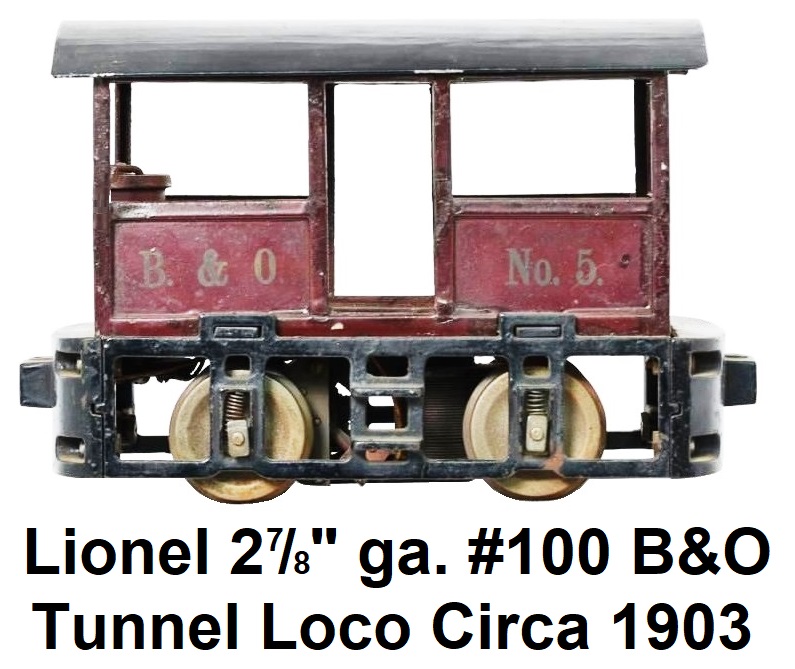
 In 1901 Cowen began production of 2⅞" gauge two rail train equipment. The
gauge refers to the width between the rails of the track. The first train made, the 'Electric Express',
included a #100 B&0 tunnel locomotive, a #200 gondola, a #500 derrick car, and a #800 'Metropolitan Express' box car.
All locos and cars were 4 wheeled. The locomotive was a steel reproduction of an 1800 Horsepower Baltimore and Ohio R.R.
prototype. The early issue gondolas were made of wood mounted to a cast iron frame. The derrick was made of cast iron.
The box car was cast iron and sheet metal. All later cars were entirely made of sheet metal and cast iron.
These cars ran on 2 thin ⅜" strips of steel set 2 inches apart in grooved wooden ties. Because they were heavy, all
cast metal cars were equipped with their own D.C. motors. Lionel also sold the cars as trailers without motors.
The trains were powered by dry cell batteries or using wet cell acid jars and plates. The 'Electric Express'
train and the Lionel
products that followed left a mark on the United States toy train market. Lionel's first catalog, issued in 1902,
featured these 2⅞" gauge trains and track. In addition to 'Electric Express', eventually the catalog was expanded to
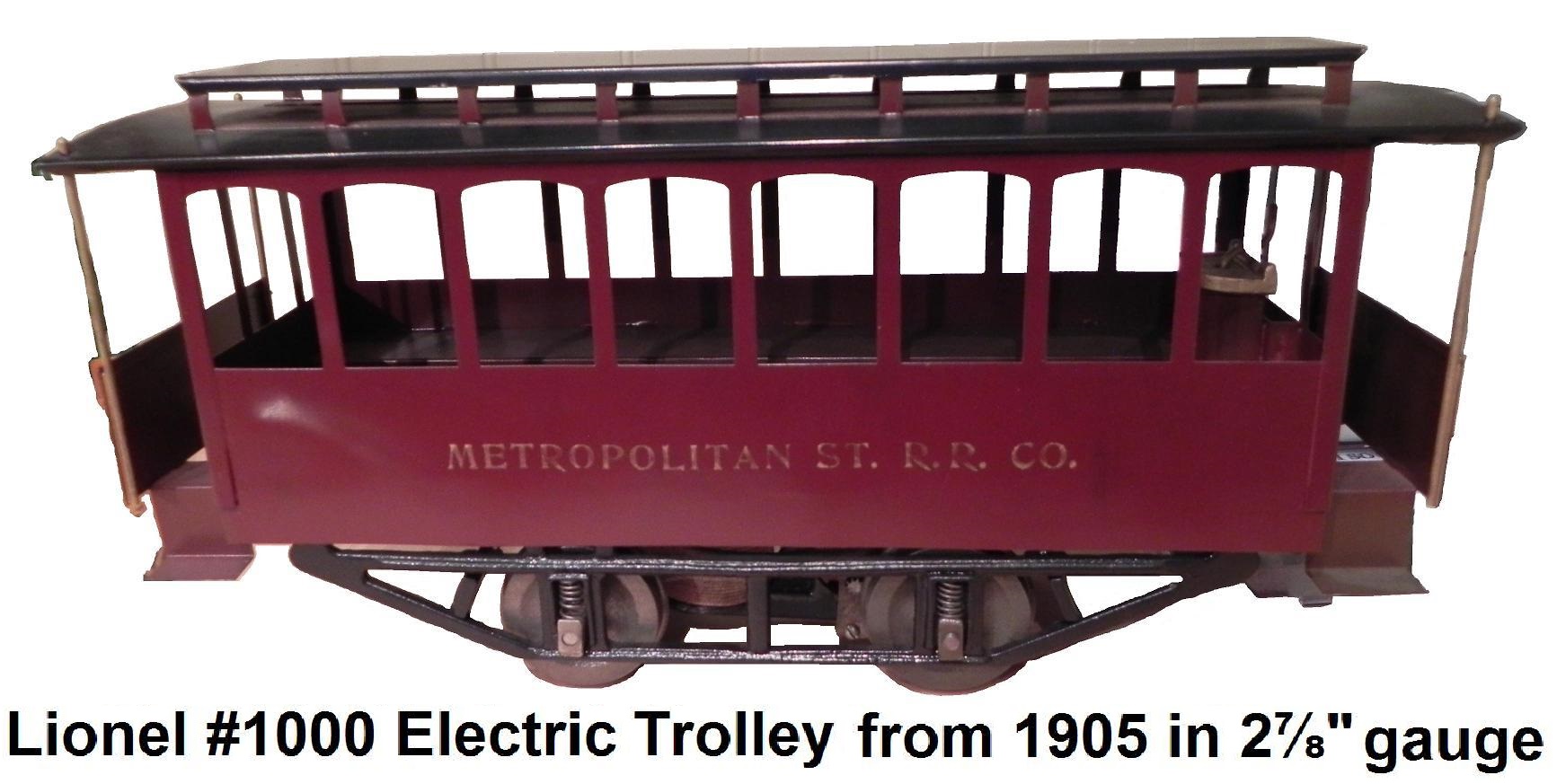
offer a #300 Electric trolley that utilized a Morton E. Converse & Co. trolley car body, and a #1000 Passenger car.
The B&O loco, initiated a demand from consumers and hobbyists for small scale reproductions of real trains.
Designing and manufacturing reproductions for those interested in this new hobby would become a staple of
business for Lionel.
In 1901 Cowen began production of 2⅞" gauge two rail train equipment. The
gauge refers to the width between the rails of the track. The first train made, the 'Electric Express',
included a #100 B&0 tunnel locomotive, a #200 gondola, a #500 derrick car, and a #800 'Metropolitan Express' box car.
All locos and cars were 4 wheeled. The locomotive was a steel reproduction of an 1800 Horsepower Baltimore and Ohio R.R.
prototype. The early issue gondolas were made of wood mounted to a cast iron frame. The derrick was made of cast iron.
The box car was cast iron and sheet metal. All later cars were entirely made of sheet metal and cast iron.
These cars ran on 2 thin ⅜" strips of steel set 2 inches apart in grooved wooden ties. Because they were heavy, all
cast metal cars were equipped with their own D.C. motors. Lionel also sold the cars as trailers without motors.
The trains were powered by dry cell batteries or using wet cell acid jars and plates. The 'Electric Express'
train and the Lionel
products that followed left a mark on the United States toy train market. Lionel's first catalog, issued in 1902,
featured these 2⅞" gauge trains and track. In addition to 'Electric Express', eventually the catalog was expanded to
offer a #300 Electric trolley that utilized a Morton E. Converse & Co. trolley car body, and a #1000 Passenger car.
The B&O loco, initiated a demand from consumers and hobbyists for small scale reproductions of real trains.
Designing and manufacturing reproductions for those interested in this new hobby would become a staple of
business for Lionel.
 Business grew rapidly. In 1905 Cowen hired Mario Caruso, a young engineer, to help with manufacturing.
Soon a strict division of labor developed: Cowen handled the marketing of the trains, and Caruso ran
the manufacturing plants. Caruso remained with the company until 1945. As good as Cowen was at manufacturing
and designing his product, he was just as proficient in promoting it. He produced what's considered the
first ever catalog for electric trains. He and his team then kept improving the catalogs.
The catalogues always showed the trains and accessories in color and depicted children and their parents
playing with and enjoying the trains.
Business grew rapidly. In 1905 Cowen hired Mario Caruso, a young engineer, to help with manufacturing.
Soon a strict division of labor developed: Cowen handled the marketing of the trains, and Caruso ran
the manufacturing plants. Caruso remained with the company until 1945. As good as Cowen was at manufacturing
and designing his product, he was just as proficient in promoting it. He produced what's considered the
first ever catalog for electric trains. He and his team then kept improving the catalogs.
The catalogues always showed the trains and accessories in color and depicted children and their parents
playing with and enjoying the trains.
In 1906 Lionel changed to three rail track in 2⅛" gauge, declaring it
"Standard gauge", a trademarked name.
 This track has a center rail that carried the electrical current and was designed to eliminate short circuits.
2⅛" gauge was an improper interpretation of the old Märklin defined
gauge which was 2⅛" (nearly 54 mm) between rail CENTERS not between their inside faces,
as Cowen interpreted it. As it was a toy standard, rather than a scale modeling standard, the actual
scale of Standard gauge locomotives and rolling stock varied. The 1906 catalog offered a single
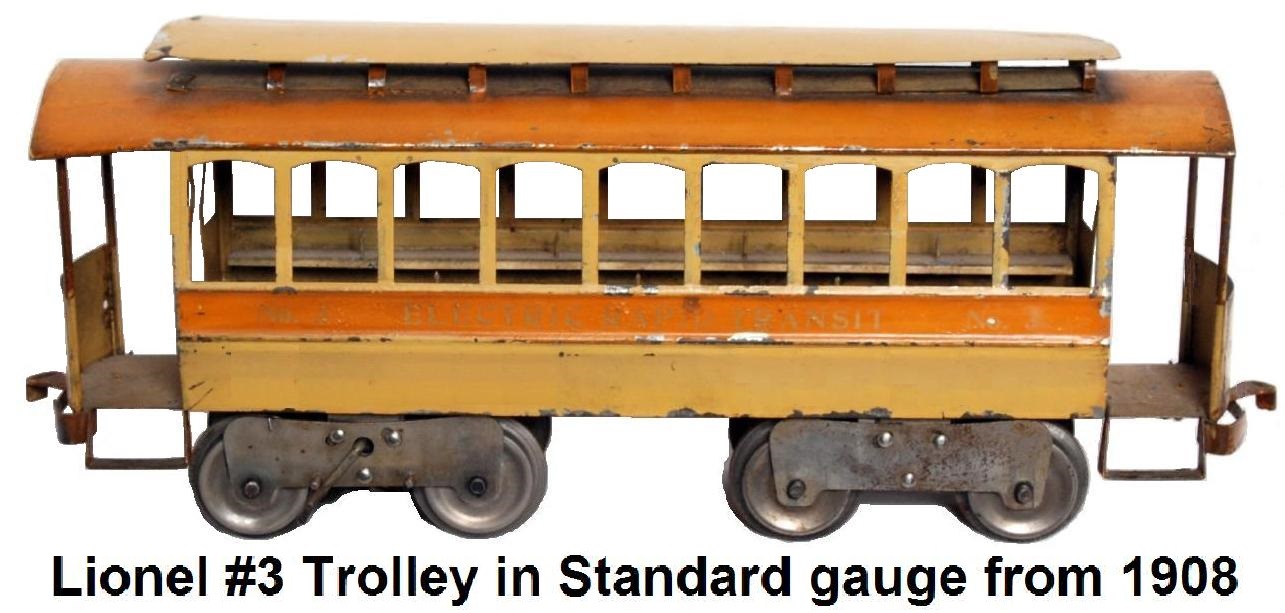
locomotive, two electric trolley cars, two passenger cars, and seven freight cars, which
included the #15 Pensylvania RR oil tank car, the #16 PRR coal car, the #13 cattle car, the #14
Chicago Minneapolis & St.Paul
box car, the #12 Lake Shore gondola, and the #17 New York Central & Hudson River RR caboose.
Passenger cars were the #18 Pullman, and #19 Combine. A #190 Observation car was added by 1909.
These passenger cars were nicely detailed with clerestory roofs as well as stained glass windows
(using colored celluloid inserts for the transoms) and would remain in the product line through 1927.
Cars were constructed by soldering sheet steel, then painting with enamel, and finally hand applying
stripes and lettering.
This track has a center rail that carried the electrical current and was designed to eliminate short circuits.
2⅛" gauge was an improper interpretation of the old Märklin defined
gauge which was 2⅛" (nearly 54 mm) between rail CENTERS not between their inside faces,
as Cowen interpreted it. As it was a toy standard, rather than a scale modeling standard, the actual
scale of Standard gauge locomotives and rolling stock varied. The 1906 catalog offered a single
locomotive, two electric trolley cars, two passenger cars, and seven freight cars, which
included the #15 Pensylvania RR oil tank car, the #16 PRR coal car, the #13 cattle car, the #14
Chicago Minneapolis & St.Paul
box car, the #12 Lake Shore gondola, and the #17 New York Central & Hudson River RR caboose.
Passenger cars were the #18 Pullman, and #19 Combine. A #190 Observation car was added by 1909.
These passenger cars were nicely detailed with clerestory roofs as well as stained glass windows
(using colored celluloid inserts for the transoms) and would remain in the product line through 1927.
Cars were constructed by soldering sheet steel, then painting with enamel, and finally hand applying
stripes and lettering.

Lionel's Standard gauge eventually caught on at the expense of gauges 1 and 2. No fewer than four American competitors
adopted Lionel's gauge: Ives in 1921, Boucher in 1922,
Dorfan in 1924, and American Flyer in 1925. While all the
manufacturers' track was the same size and the trains and buildings approximately the same scale, the
couplers for the most part remained incompatible, making it impossible to mix train cars from different
manufacturers without modification. The increased number of manufacturers seemed to give legitimacy to
Lionel's made-up gauge, and because the boom of the 1920's made large toy trains affordable, Standard gauge
enjoyed its heyday in that era.

 An important change occurred in Lionel train design in
the first decade of the century.
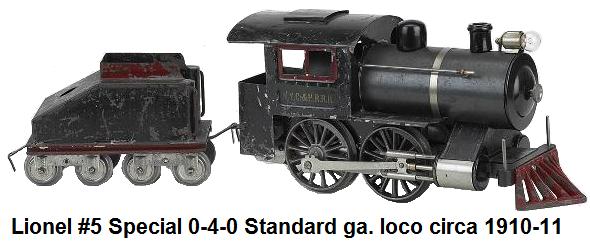
The increasing number of homes wired for electricity meant that the trains no longer had to be
powered by dry cell batteries. Cowen developed a transformer that reduced household current to a
safe level for use with Lionel trains. Between 1906 and 1910, products in the Lionel line included
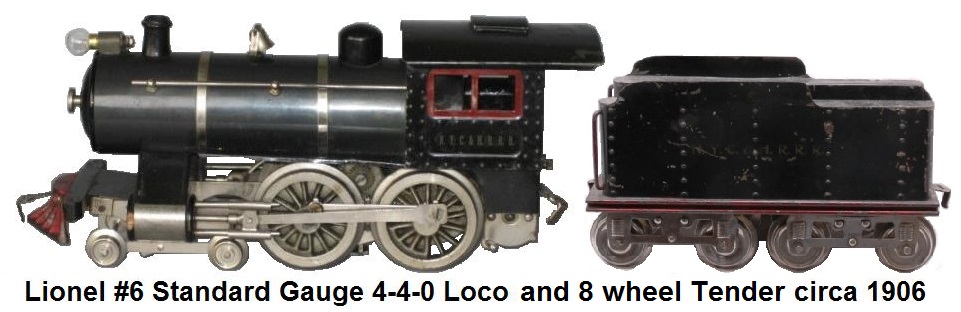
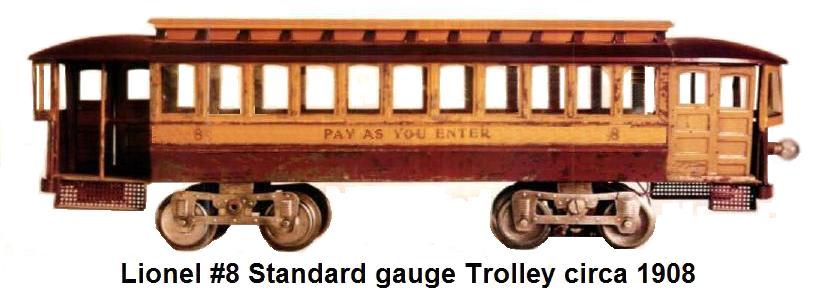
13 different items, including the #5 and #6 steam engines and the highly collectible #8 and #9 trolleys.
Some Lionel locomotives now featured a red painted cow catcher while others were fitted with electric headlamps.
An important change occurred in Lionel train design in
the first decade of the century.
The increasing number of homes wired for electricity meant that the trains no longer had to be
powered by dry cell batteries. Cowen developed a transformer that reduced household current to a
safe level for use with Lionel trains. Between 1906 and 1910, products in the Lionel line included
13 different items, including the #5 and #6 steam engines and the highly collectible #8 and #9 trolleys.
Some Lionel locomotives now featured a red painted cow catcher while others were fitted with electric headlamps.
Production quickly outgrew the company's New York manufacturing plant, and in 1910 Lionel moved
to a new factory in New Haven, Connecticut. In addition to an increase in the sheer number of trains
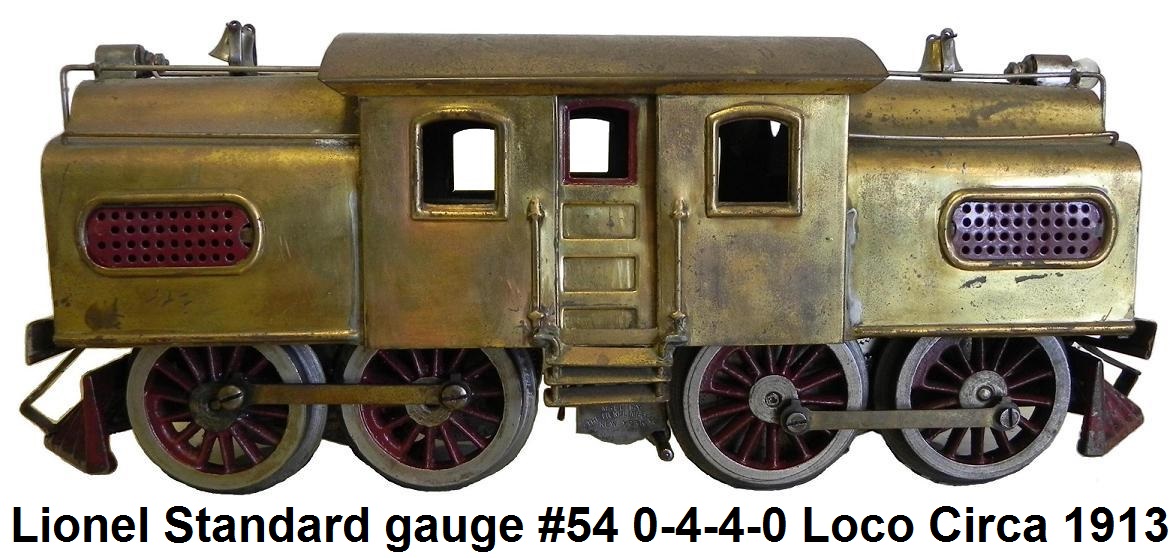 produced, the selection expanded rapidly as well. The 1910 catalog offered several different locomotives,
an increased number of freight and passenger cars, and eleven trolley cars. The company had also
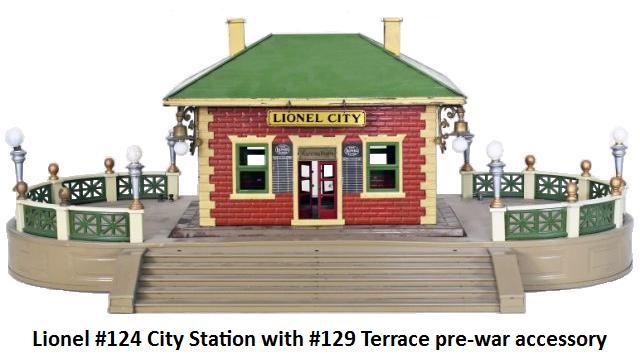
introduced tin lithograph stations and small human figures to aid in the creation of realistic scenes.
Cowen quickly realized children as well as adults would soon tire of watching a train go round and round
so it wasnt long until detailed working accessories came on the scene. Most were engineering marvels in
their day. Play value became the modis operende for Lionel. Lionel Trains sought out other markets early
in its history. It put out a line of electric racing cars in 1912 that predated popularized slot cars
by nearly 50 years.
produced, the selection expanded rapidly as well. The 1910 catalog offered several different locomotives,
an increased number of freight and passenger cars, and eleven trolley cars. The company had also
introduced tin lithograph stations and small human figures to aid in the creation of realistic scenes.
Cowen quickly realized children as well as adults would soon tire of watching a train go round and round
so it wasnt long until detailed working accessories came on the scene. Most were engineering marvels in
their day. Play value became the modis operende for Lionel. Lionel Trains sought out other markets early
in its history. It put out a line of electric racing cars in 1912 that predated popularized slot cars
by nearly 50 years.

Rapid growth caused the company to move manufacturing again in 1914, to a factory in
Irvington, New Jersey.
Gauge became an important marketing factor when Lionel competitor Ives Trains
introduced the 'O' gauge
train in 1910. Smaller than the Standard gauge train, the 'O' gauge had only 1 inches between the
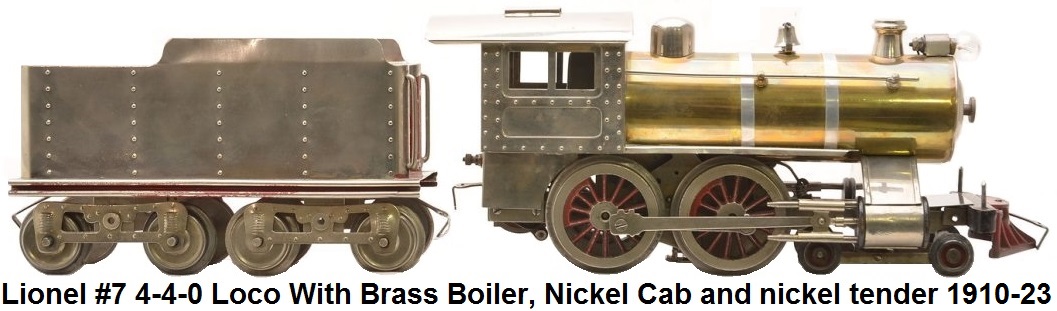 rails. The gauge's popularity led Lionel into that market in 1915,
when the company introduced 9 sets
of 'O' gauge trains. At the time, Lionel offered 17 sets of trains in Standard gauge.
Early cars were fitted with hook and eyelet type couplers.
In 1923 Lionel introduced its combination coupler with a latching mechanism to facilitate running older
cars with newer cars. 1924 saw the introduction of the latch only type coupler mechanism.
rails. The gauge's popularity led Lionel into that market in 1915,
when the company introduced 9 sets
of 'O' gauge trains. At the time, Lionel offered 17 sets of trains in Standard gauge.
Early cars were fitted with hook and eyelet type couplers.
In 1923 Lionel introduced its combination coupler with a latching mechanism to facilitate running older
cars with newer cars. 1924 saw the introduction of the latch only type coupler mechanism.
 As America entered World War I, Lionel introduced an 'O' gauge Military Train that
featured a locomotive topped by twin cannons. This train was very popular but was only produced in 1917.
Lionel changed its name to the Lionel Corporation in 1918 and exceeded Ives
in sales in 1924. Sales increased tenfold between 1910 and 1919. This marked the start of the Classical Period of
flamboyant, bright trains. By the 1920's,
Lionel Corporation (as it was now known) was building sites outside the US and was buying up the competition.
As America entered World War I, Lionel introduced an 'O' gauge Military Train that
featured a locomotive topped by twin cannons. This train was very popular but was only produced in 1917.
Lionel changed its name to the Lionel Corporation in 1918 and exceeded Ives
in sales in 1924. Sales increased tenfold between 1910 and 1919. This marked the start of the Classical Period of
flamboyant, bright trains. By the 1920's,
Lionel Corporation (as it was now known) was building sites outside the US and was buying up the competition.
The demand for reproductions
of real trains grew through the 1920's. Throughout this time Lionel
produced several sets of highly authentic trains as part of its numerous offerings of locomotives
and train cars. During this "classic period" for Lionel, the company created model cars and engines
with an astonishing attention to detail, including many models with brass and nickel trim. For
example, the powerful #408E twin-motored engine featured six running lights, operating pantographs,
and all brass detail. Lionel sets from this time, which included highly detailed passenger cars in
addition to the locomotives, became valuable collectors' items, sought after by collectors and
train enthusiasts through the end of the century.
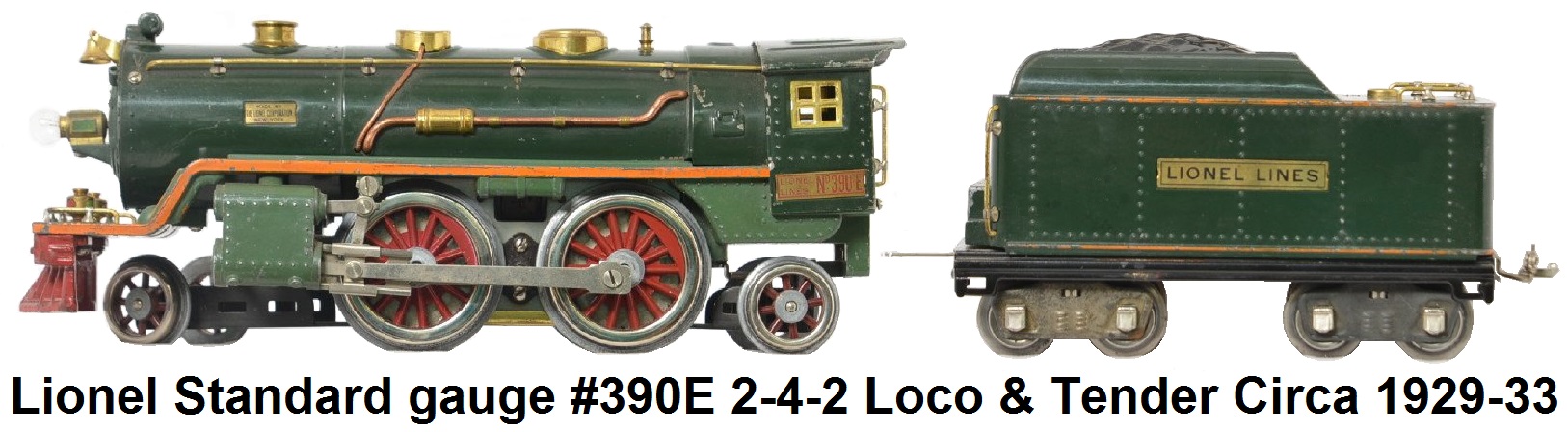
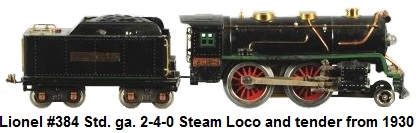
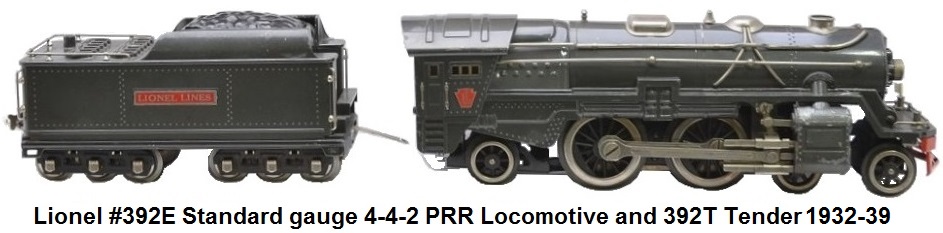


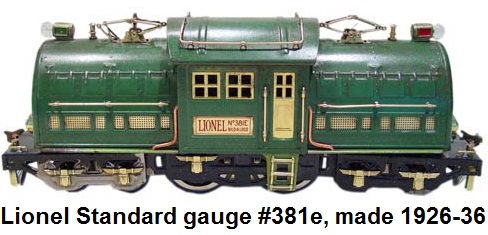
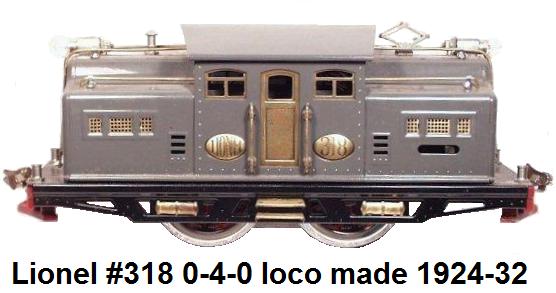
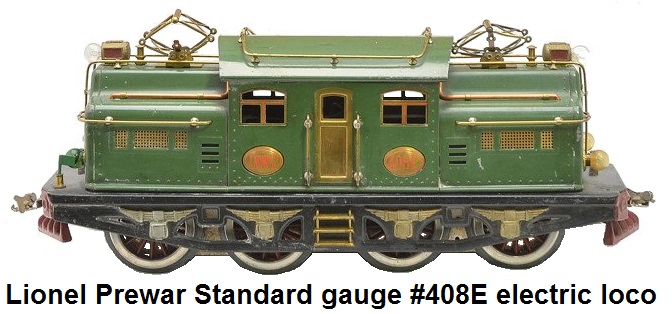
In 1921, one of its most venerable locomotives, the #42, was given a second motor to
dramatically increase its power. Another dual-motor locomotive, the #402, was introduced in 1923, as was
the round-hooded #380. That model would be eclipsed by what is today one of the most prized antique Lionel
trains from the 1920's, the #381, which was sold in an "E" version (automatic reverse and a bell) and a "U"
version (as a kit, complete with tools). Lionel sales for 1922 reached 1 million dollars.






Lionel did not introduce a new Standard gauge piece after 1933. In 1937 there are some Lionel 500 series
cars that were created with new trucks that had box couplers. This potentially meant that Lionel had invested
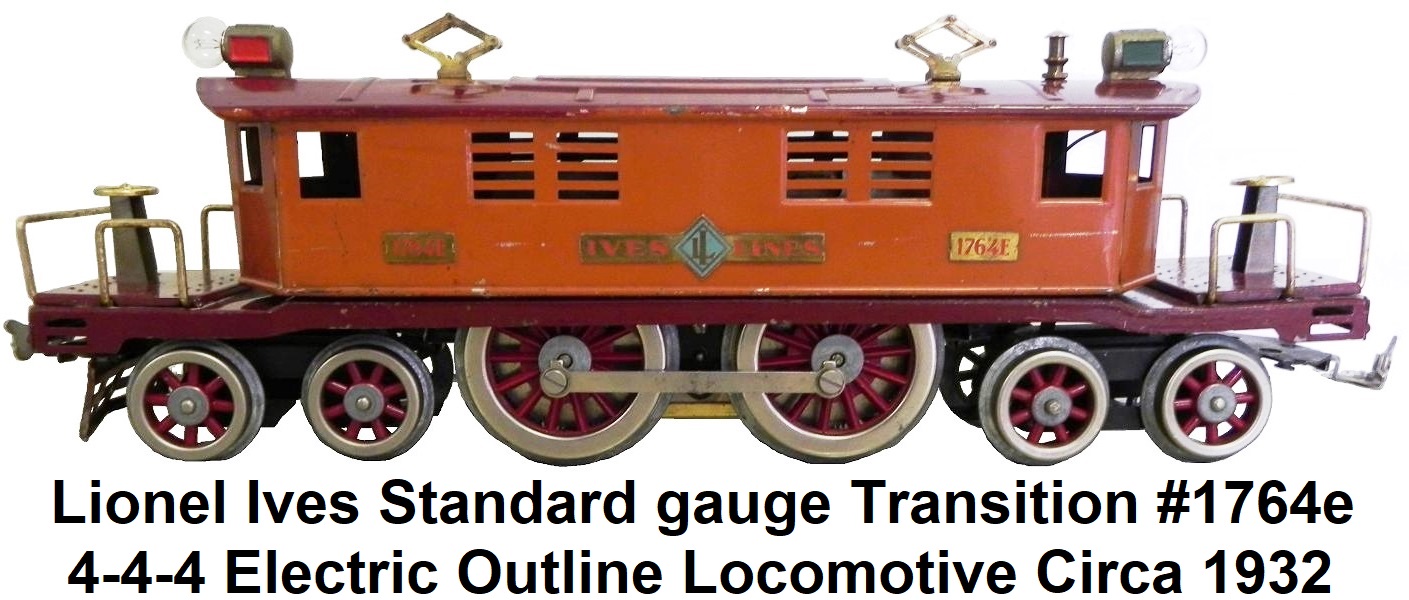
 money into new tooling for modernizing Standard gauge products but ultimately did not put them into production.
The toy train market was evolving into more realistic and scale modeling and Lionel's prized #700e Hudson was cataloged in
'O' gauge starting in 1937 as their top of the line train. The large size of Standard gauge no longer symbolized top of
the line Lionel. Standard gauge products appeared for the last time in the 1940 catalogs, and for those last
few years only rolling stock was offered, as a means to sell off already manufactured items.
The depression took its toll on train sales and killed the extravagant Standard gauge by 1940 in favor of
lower cost 'O' gauge trains, which Lionel had began to make in 1915. 'O' gauge, was smaller, less expensive to
manufacture and it required less space to operate a layout. Thus it became the most popular scale in the United States
almost by default. Initial 'O' gauge locomotive offerings
were in the form of electric outline motive power. Lionel increased its size and market
share by acquiring its biggest competitor, the bankrupt Ives Manufacturing in 1928. Initially Lionel bought
the company in partnership with the model train company American Flyer Trains,
and both companies supplied some parts for Ives trains through 1929 and 1930. However, Lionel bought
out American Flyer's interest in Ives at the end of 1930. Lionel then closed the Ives plant in Bridgeport,
Connecticut, and transferred the operations to its Irvington, New Jersey facility.
money into new tooling for modernizing Standard gauge products but ultimately did not put them into production.
The toy train market was evolving into more realistic and scale modeling and Lionel's prized #700e Hudson was cataloged in
'O' gauge starting in 1937 as their top of the line train. The large size of Standard gauge no longer symbolized top of
the line Lionel. Standard gauge products appeared for the last time in the 1940 catalogs, and for those last
few years only rolling stock was offered, as a means to sell off already manufactured items.
The depression took its toll on train sales and killed the extravagant Standard gauge by 1940 in favor of
lower cost 'O' gauge trains, which Lionel had began to make in 1915. 'O' gauge, was smaller, less expensive to
manufacture and it required less space to operate a layout. Thus it became the most popular scale in the United States
almost by default. Initial 'O' gauge locomotive offerings
were in the form of electric outline motive power. Lionel increased its size and market
share by acquiring its biggest competitor, the bankrupt Ives Manufacturing in 1928. Initially Lionel bought
the company in partnership with the model train company American Flyer Trains,
and both companies supplied some parts for Ives trains through 1929 and 1930. However, Lionel bought
out American Flyer's interest in Ives at the end of 1930. Lionel then closed the Ives plant in Bridgeport,
Connecticut, and transferred the operations to its Irvington, New Jersey facility.

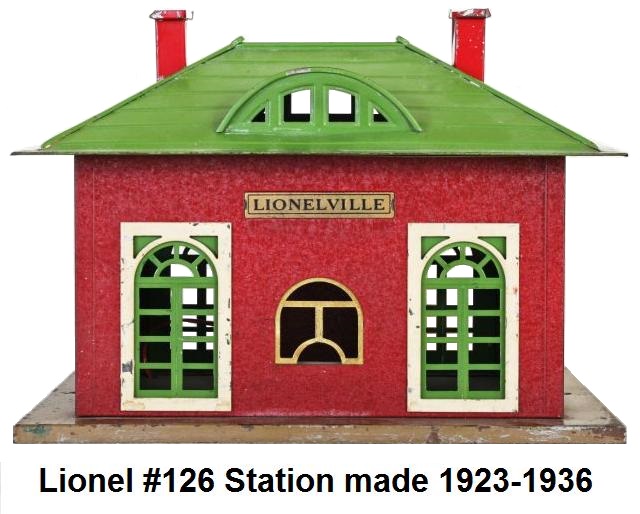 Lionel produced a few Ives trains, in particular the highly sought #1764E, which was branded
with both the Ives and Lionel names. Lionel even made an Ives line of less-expensive wind-up trains, but Cowen
disliked the line and it was quickly discontinued. The 1930's saw the introduction of Lionel’s Bild-A-Locomotive
kits in response to competition from Dorfan. It also saw the launch in 1933 of Lionel Jr.,
a line of cheaper trains that was a response to the economic circumstances of the day. But Cowen was a purist who
continued to put precious resources into expensive locomotives and cars, such as the highly collectible Blue Comet
trains introduced in 1930. His rigid standards were causing Lionel to go broke. Lionel itself entered into
receivership in 1930.
Lionel produced a few Ives trains, in particular the highly sought #1764E, which was branded
with both the Ives and Lionel names. Lionel even made an Ives line of less-expensive wind-up trains, but Cowen
disliked the line and it was quickly discontinued. The 1930's saw the introduction of Lionel’s Bild-A-Locomotive
kits in response to competition from Dorfan. It also saw the launch in 1933 of Lionel Jr.,
a line of cheaper trains that was a response to the economic circumstances of the day. But Cowen was a purist who
continued to put precious resources into expensive locomotives and cars, such as the highly collectible Blue Comet
trains introduced in 1930. His rigid standards were causing Lionel to go broke. Lionel itself entered into
receivership in 1930.
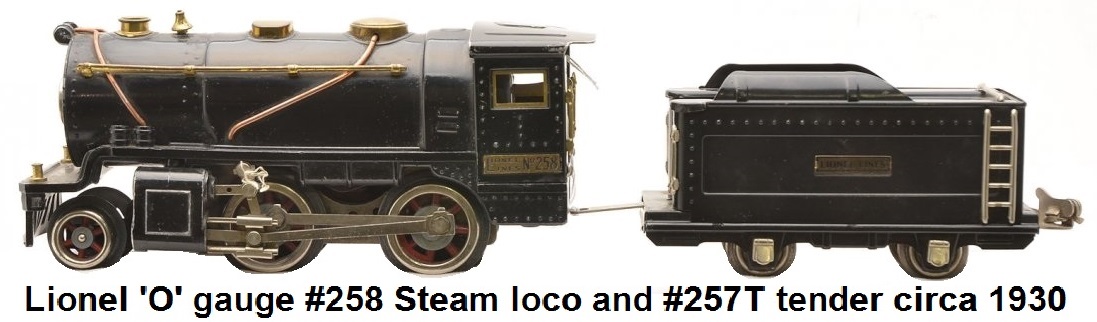 Despite the focus on lower costs, Lionel continued to introduce new models.
The company's first steam-type 'O' gauge locomotive debuted in 1930. Lionel's first 'O' gauge steam engine was the
2-4-0 #258. It was actually an Ives engine that Lionel acquired when they purchased the Ives company.
The early 'O' gauge steam
locomotives resembled their Standard gauge counterparts. Within five years, Lionel made eight different
'O' gauge steam engines. An 'O' gauge steam locomotive did appear in the 1915 catalogue, but it was never
actually manufactured. While steam locomotives were to completely replace electrics by 1936, they were
catalogued side by side with the same sets of passenger and freight cars for six years. Early
locomotives like the #258, #262, and #260 were composed of metal stamping assemblies with copper, brass
or nickel detailing trim mounted on cast zinc alloy frames. Streamlined passenger trains were introduced in the
middle of the decade, as was the first remote operated steam whistle.
Despite the focus on lower costs, Lionel continued to introduce new models.
The company's first steam-type 'O' gauge locomotive debuted in 1930. Lionel's first 'O' gauge steam engine was the
2-4-0 #258. It was actually an Ives engine that Lionel acquired when they purchased the Ives company.
The early 'O' gauge steam
locomotives resembled their Standard gauge counterparts. Within five years, Lionel made eight different
'O' gauge steam engines. An 'O' gauge steam locomotive did appear in the 1915 catalogue, but it was never
actually manufactured. While steam locomotives were to completely replace electrics by 1936, they were
catalogued side by side with the same sets of passenger and freight cars for six years. Early
locomotives like the #258, #262, and #260 were composed of metal stamping assemblies with copper, brass
or nickel detailing trim mounted on cast zinc alloy frames. Streamlined passenger trains were introduced in the
middle of the decade, as was the first remote operated steam whistle.
Lionel 800 Series 'O' gauge Freight Cars
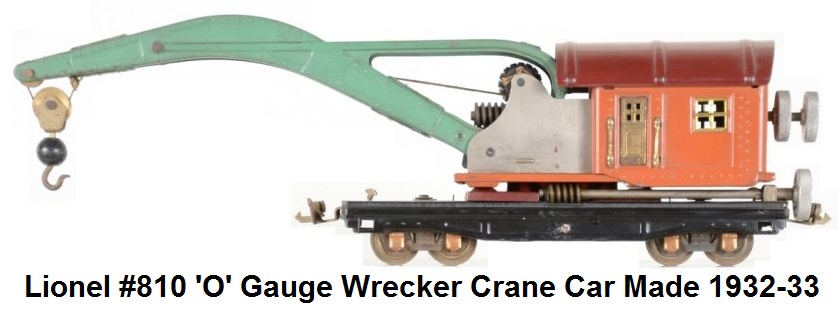
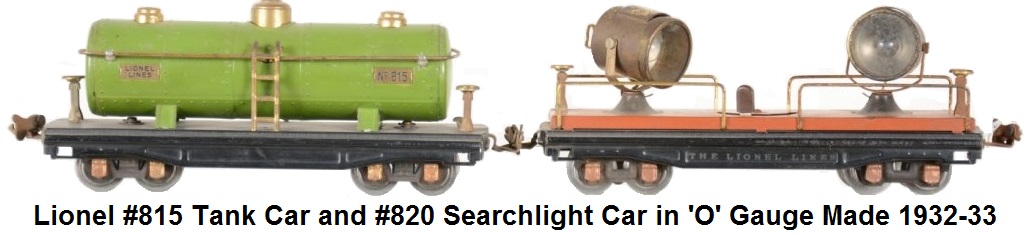
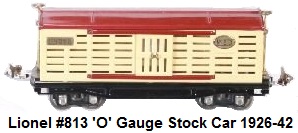

Joshua Lionel Cowen was passionate about the products his company manufactured. He was
always making sure that the smallest details of each train would be included in order to add to the toy's realism.
The year 1935 brought a new high pressure zinc alloy die cast manufacturing
process that made acurate detailing possible at a reasonable cost. This process had been
 used with excellent results a year earlier on the fast selling #752 Union Pacific M10000 diesel City of
Portland streamliner. Even Henry Ford lauded the Lionel M10000 engine, which was modeled after the
Union Pacific Railroad's prototype.
used with excellent results a year earlier on the fast selling #752 Union Pacific M10000 diesel City of
Portland streamliner. Even Henry Ford lauded the Lionel M10000 engine, which was modeled after the
Union Pacific Railroad's prototype.
 Two new steamers in 1935 and all subsequent new engines used die castings. One of the 1935 locomotives,
the #265 Commodore Vanderbilt, was a hybrid of new and old manufacturing methods, with a detailed die cast
cab mounted on a metal stamped boiler. It was the last design to use metal stampings for major body
components other than tender parts. The other 1935 entry, the #250E Hiawatha, an accurate copy of
its Milwaukee Railroad prototype, had a front end made of a beautifully detailed one piece die casting.
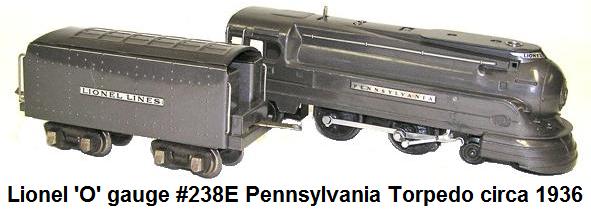
In 1936, the #238 Pennsylvania torpedo made its debut constructed in the same manner as the #250E
Hiawatha. Demand for high-priced reproduction models still remained, and Lionel planned to fill this
demand from consumers with several forthcoming models.
Two new steamers in 1935 and all subsequent new engines used die castings. One of the 1935 locomotives,
the #265 Commodore Vanderbilt, was a hybrid of new and old manufacturing methods, with a detailed die cast
cab mounted on a metal stamped boiler. It was the last design to use metal stampings for major body
components other than tender parts. The other 1935 entry, the #250E Hiawatha, an accurate copy of
its Milwaukee Railroad prototype, had a front end made of a beautifully detailed one piece die casting.
In 1936, the #238 Pennsylvania torpedo made its debut constructed in the same manner as the #250E
Hiawatha. Demand for high-priced reproduction models still remained, and Lionel planned to fill this
demand from consumers with several forthcoming models.




Lionel spent a little over four years in receivership.
It recovered by 1939 largely with the help of its
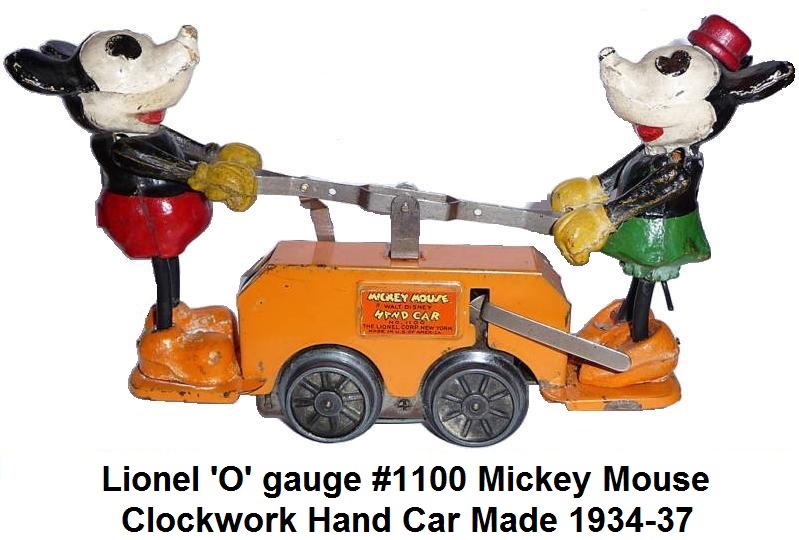
hugely successful, low-priced, wind-up Mickey Mouse hand cars. This is an item that antique dealers and collectors
long for- a clockwork handcar featuring Mickey and Minnie Mouse first made in 1934 in collaboration with
the Walt Disney Company. The one-dollar toy enjoyed a vast popularity. Its success engendered a whole
line of similar toys, including a Santa Claus hand car, introduced in 1935; Donald Duck and Peter
Rabbit "chick mobiles," which came out the following year; and the 'O' gauge Mickey Mouse Circus Train. This is a very
desireable set coveted by collectors. It featured a red painted #1508 clockwork powered Commodore Vanderbilt style loco with a
#1509 4-wheel Mickey Mouse stoker tender. The loco had a battery powered headlight. Mickey, riding the tender and 'stoking'
coal with his shovel via an animation triggered by the track ties as it passed over them, led the train filled with Disney
passengers past a cardboard backdrop of a circus. The cars are a #1518 Diner, a #1536 Band Car, and a #1536 Animal car.
These cars shared the same body, but the litho on each was different.


 In 1937 the company employed 1,000 people and produced approximately 40,000
model train engines, 1.2 million railcars, and more than a million sets of track. That year Lionel offered stock to
the public for the first time. Also in 1937, Lionel introduced its detailed model in 'O' of the #700E Hudson locomotive. This
was a scale 1:48 model of the New York Central RR 4-6-4 J1-e class steam locomotive prototype. Numbered 5344, the assembled
#700E came with a walnut display stand and was the first commercially produced die cast 'O' scale locomotive ever made.
Tooling to make this model cost $65,000. It only ran on T-rail wide radius track. The #700E was
Lionel's ultimate achievement. It consisted of an assembly of several fine die castings.
It achieved proportion, detailing, and overall realism never before attained in a mass produced
model. It ushered in the so called 'Hudson era' of accurately detailed die cast locomotives and scale
and semi-scale cars. All new offerings that followed from 1938 to 1942 pursued the #700E Hudson's die cast
construction techniques, but were less elaborate and expensive. The #700E Hudson was very popular with 'O' scale
operators despite its hefty $75 price tag. During the 1930's a movement towards scale or realist model trains had grown up in
the US and many operators built kits. Factory assembled scale locomotives and cars were not readily available. This presented
Lionel with a great opportunity to expand its market. In 1939 to accommodate 'O' scalers who wanted to build their own
locomotive Lionel began offering the #700E in kit form. It took 5 separate kits to build the locomotive and tender, and a
sixth kit contained a whistle for the tender. The kits could be built for inside or outside third rail. Many modelers built
the locomotive and never painted it black so there are original gunmetal gray #700K locos in existence. These detailed
locomotives were made through 1942, and are believed to be the finest ever produced by Lionel.
In 1937 the company employed 1,000 people and produced approximately 40,000
model train engines, 1.2 million railcars, and more than a million sets of track. That year Lionel offered stock to
the public for the first time. Also in 1937, Lionel introduced its detailed model in 'O' of the #700E Hudson locomotive. This
was a scale 1:48 model of the New York Central RR 4-6-4 J1-e class steam locomotive prototype. Numbered 5344, the assembled
#700E came with a walnut display stand and was the first commercially produced die cast 'O' scale locomotive ever made.
Tooling to make this model cost $65,000. It only ran on T-rail wide radius track. The #700E was
Lionel's ultimate achievement. It consisted of an assembly of several fine die castings.
It achieved proportion, detailing, and overall realism never before attained in a mass produced
model. It ushered in the so called 'Hudson era' of accurately detailed die cast locomotives and scale
and semi-scale cars. All new offerings that followed from 1938 to 1942 pursued the #700E Hudson's die cast
construction techniques, but were less elaborate and expensive. The #700E Hudson was very popular with 'O' scale
operators despite its hefty $75 price tag. During the 1930's a movement towards scale or realist model trains had grown up in
the US and many operators built kits. Factory assembled scale locomotives and cars were not readily available. This presented
Lionel with a great opportunity to expand its market. In 1939 to accommodate 'O' scalers who wanted to build their own
locomotive Lionel began offering the #700E in kit form. It took 5 separate kits to build the locomotive and tender, and a
sixth kit contained a whistle for the tender. The kits could be built for inside or outside third rail. Many modelers built
the locomotive and never painted it black so there are original gunmetal gray #700K locos in existence. These detailed
locomotives were made through 1942, and are believed to be the finest ever produced by Lionel.

From 1938 to 1942 Lionel produced several 'O' and 'OO' scale models as part of this era of the
scale model movement. Its first 'OO' gauge train was a smaller 4mm scale model of the same NY Central 4-6-4 J1-e Hudson
engine with a tender,
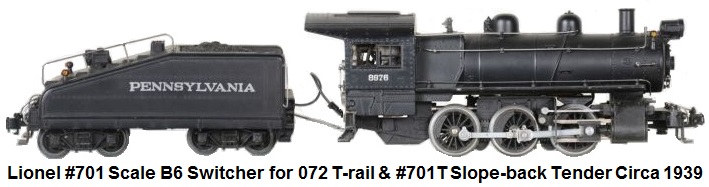 three freight cars, and a caboose. Lionel 'OO' gauge was 1:76 scale and very close in size to HO. Lionel initially used
modified Scale-Craft 'OO' cars in
their pre-production sets and catalog photos. Freight cars included both Pennsylvania and Lionel box cars,
Shell and Sunoco tank cars, and two different Southern Pacific hoppers (gray or black).
By 1939 the 'OO' line was available in both two and three rail ready to run versions, and kits of the freight cars
were also available. The 'OO' line was discontinued at the outset of WWII.
three freight cars, and a caboose. Lionel 'OO' gauge was 1:76 scale and very close in size to HO. Lionel initially used
modified Scale-Craft 'OO' cars in
their pre-production sets and catalog photos. Freight cars included both Pennsylvania and Lionel box cars,
Shell and Sunoco tank cars, and two different Southern Pacific hoppers (gray or black).
By 1939 the 'OO' line was available in both two and three rail ready to run versions, and kits of the freight cars
were also available. The 'OO' line was discontinued at the outset of WWII.
During WWII, as it had in WWI, Lionel produced binnacles and naval navigation equipment, primarily compasses,
for the government, while it stopped building metal trains. It did offer, for a time, a non-electric paper
train set with wooden axles that required assembly. This set included everything from a locomotive and caboose
to 198 inches of 'O' gauge cardboard track. The company also sold a wood pull train for patriotic kids who had
donated their old Lionel trains to scrap drives. After the war, Lionel began producing steam engines that made
real smoke. The puffs were the result of an ammonium nitrate pellet placed on a specially engineered dimple
in the train’s headlight bulb to produce nitrogen oxide. In 1945, Lionel introduced an automatic knuckle
coupler, which was opened by a combination of trip devices in special sections of track that activated an
onboard electromagnet. Lionel never resumed its line of 'OO' trains once the war ended.
When toy train production resumed in 1945, it was under the direction of Lawrence Cowen,
the son of Joshua Lionel Cowen.
Having assumed the presidency that year, Lawrence remained at the head of the company until its sale in 1959.
He oversaw the introduction of the company's all-time top-selling train engine, the Santa Fe Diesel,
in 1948. A 1947 New Yorker magazine profile of Joshua Lionel Cowen
said, "He has always felt that the children of America were looking over his shoulder as he worked. ... He has,
he thinks, the viewpoint of a child himself, and he thus keeps a detached but automatic check on his progress.
... A picture of Cowen looking over his own shoulder while seated at his desk provides the best explanation of
Lionel's somewhat exalted niche in the toy-train world. Any sacrifice of excellence for expediency would tax his
conscience severely."

One of the first new post-war trains issued was the #671 6-8-6 die-cast Steam Turbine Locomotive. A special set #4109ws
was created in 1946 with the #671 where radio receivers were installed in each car. Called the 'Electronic Set' this set
featured remote coupling, uncoupling and operation of the cars, triggered by the radio frequency system. The technology
employed in this set was quite advanced for a toy of this nature. Vacuum Tubes were used as the recievers in the
freight cars to facilitate the uncoupling and operation without the use of a track section. A special controller with
10 buttons was required. The receivers in each car were tuned to respond to a specific button press. The tender had
two receivers mounted in it, each tuned to respond to a different frequency. One, when it received a signal, would
send a jolt of power to the E-unit to cycle it. The other would activate the whistle for as long as the button was
held down. The receiver in the dump car when pressed momentarily would activate the couplers. Holding the same
button down continuously activated a thermal switch which would cause the car to dump.
Today these sets are considered valuable to collectors, and are difficult to acquire in working condition.

To increase the play value in layouts, in 1947 Lionel introduced its #3472 Automatic Milk Car,
which featured a little man that popped out of the car to push milk cans onto an awaiting platform. Other vintage
Lionel operating accessories introduced during this period that are quite collectible today are the #30 water tower,
#97 coal elevator, #182 magnetic crane, and #1045 operating watchman. Lionel’s #726 2-8-4 Berkshire made its
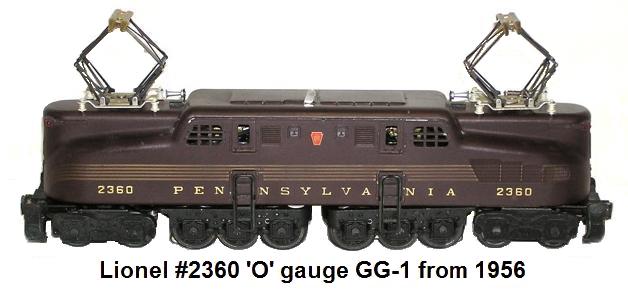
appearance in 1948, as did the 20-wheel #2332 GG-1. A replica of the famous Pennsylvania RR Electric locomotive
of the same name, with styling by industrial designer Raymond Loewy, Lionel’s GG-1 could draw power
from either the third rail in the tracks or from overhead catenary lines. Not only did Lionel begin producing
diesel engines in 1948, it used plastic in its trains for the first time.

Up until this time, only trains with East Coast and Midwestern heralds had been made by Lionel.
The new F3 diesels bore the Santa Fe logo. With its bright red nose, classic yellow warbonnet detailing, and sleek
aluminum body, the Santa Fe became the Lionel locomotive to play with and collect. Later came other F3 heralds in
this iconic 'O' scale line including the Milwaukee Road, Illinois Central, New York Central, Wabash, Southern,
MKT, Western Pacific, Canadian Pacific, New Haven, Rio Grande and the B&O. To power its new diesel line, in 1948
Lionel introduced the 275 watts ZW transformer, which was strong enough to move four trains at once.


By 1949, Lionel's daily output was 18,000 cars and 52,000 pieces of track.
The year of its fiftieth anniversary, 1950, Lionel unveiled Magne-Traction,
a system designed to increase the pulling power of the locomotives. By inserting permanent
magnets into the locomotive driving axles, a magnetic attraction was induced between the wheels
and the steel track, enabling the locomotives to pull more cars and work better on steep grades. By the late 1950's,
Lionel was a household name and was offering combat-oriented train sets.
 During its peak years of sales starting in the 1940's through the mid 1950's, Lionel offered trains
for as low at $16, and as expensive as $200. Accessories were very popular and accounted for 40% of overall sales.
Additional manufacturing facilites located in Newark and Hillside, NJ were acquired to meet the product demand.
During its peak years of sales starting in the 1940's through the mid 1950's, Lionel offered trains
for as low at $16, and as expensive as $200. Accessories were very popular and accounted for 40% of overall sales.
Additional manufacturing facilites located in Newark and Hillside, NJ were acquired to meet the product demand.
 The peak post-war year was 1952. By 1953 Lionel was the largest toy manufacturer in the world and
employed 2,000 people, annual revenue had reached $32 million and Lionel had become one of America's
most beloved and recognized brands. Mismanagement and a shrinking market, however, reversed the company's fortunes.
In the mid-1950's Lawrence Cowen attempted to diversify Lionel's products and holdings, perhaps
in response to decreasing interest in model trains from the public. The company struggled to create products that
would keep it relevant and profitable. By 1955 the toy train
market had soured and Lionel headed into the red. Cowen introduced a stereo camera and acquired Airex
Corporation, a fishing reel manufacturer, but both ventures proved unprofitable. Labor disputes added
to the company's misfortunes, disrupting production at the New Jersey plant with strikes.
The peak post-war year was 1952. By 1953 Lionel was the largest toy manufacturer in the world and
employed 2,000 people, annual revenue had reached $32 million and Lionel had become one of America's
most beloved and recognized brands. Mismanagement and a shrinking market, however, reversed the company's fortunes.
In the mid-1950's Lawrence Cowen attempted to diversify Lionel's products and holdings, perhaps
in response to decreasing interest in model trains from the public. The company struggled to create products that
would keep it relevant and profitable. By 1955 the toy train
market had soured and Lionel headed into the red. Cowen introduced a stereo camera and acquired Airex
Corporation, a fishing reel manufacturer, but both ventures proved unprofitable. Labor disputes added
to the company's misfortunes, disrupting production at the New Jersey plant with strikes.


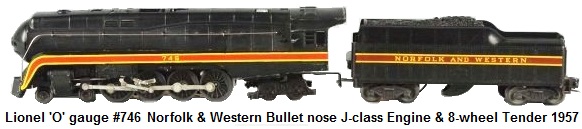 1957 saw the debut of the #746 Norfolk & Western 4-8-4 Class J bullet nose 'O' gauge die-cast locomotive.
This was a powerful streamline steam loco modeled after the prototype that was developed in the 1950's to run
between Norfolk, Va and Cincinatti, Oh. An experiment with a so called 'Girls Train' also occurred in 1957. It
featured a pink locomotive and several freight cars painted in pastel colors. Sales of the set bombed, and not
that many were produced. As a result, these original and rare Lady Lionel sets are very collectible now, and
bring in high prices when found. Also starting in 1957 the company began marketing HO gauge trains and sets, licensed first
from Rivarossi for one year and from Athearn from 1958 through the
early 1960's. Track for HO sets was provided by Atlas. Power supply components were
Lionel designed and manufactured. Eventually Lionel made their own HO trains utilizing dies and tooling
acquired from John English-Hobbyline, but the line didn't sell and was dropped in 1967. In 1958 Lionel
lost $470,000 on sales of $14.5 million, the company's first yearly loss since the Depression.
1957 saw the debut of the #746 Norfolk & Western 4-8-4 Class J bullet nose 'O' gauge die-cast locomotive.
This was a powerful streamline steam loco modeled after the prototype that was developed in the 1950's to run
between Norfolk, Va and Cincinatti, Oh. An experiment with a so called 'Girls Train' also occurred in 1957. It
featured a pink locomotive and several freight cars painted in pastel colors. Sales of the set bombed, and not
that many were produced. As a result, these original and rare Lady Lionel sets are very collectible now, and
bring in high prices when found. Also starting in 1957 the company began marketing HO gauge trains and sets, licensed first
from Rivarossi for one year and from Athearn from 1958 through the
early 1960's. Track for HO sets was provided by Atlas. Power supply components were
Lionel designed and manufactured. Eventually Lionel made their own HO trains utilizing dies and tooling
acquired from John English-Hobbyline, but the line didn't sell and was dropped in 1967. In 1958 Lionel
lost $470,000 on sales of $14.5 million, the company's first yearly loss since the Depression.
Lionel 'O' gauge Post-War Era Freight Cars







In 1924, a young man by the name of Frank Pettit applied for, and was hired at Lionel, where he would
go on to establish himself as a talented inventor, and remain with the company for 35 years. He started as a stockboy in
the New York showroom and eventually graduated into sales, management and product development. His first contribution to the
Lionel product line was the #25 illuminated bumper in 1928. In 1931, Pettit developed the #220 and #520 floodlight cars and
the #92 floodlight tower. Pettit would go on to design almost 100 different products for Lionel. One of Pettit's ground
breaking inventions for Lionel was the smoke mechanism he designed that utilized a thin coiled wire, similar to those found in
toasters, that when electrified would heat a solid pellet and generate a stream of smoke as the locomotive moved around the
layout. During the war years, when production at Lionel was shifted to the manufacture of military items, Pettit was
transferred from the sales department back to the factory where he was put in charge of reviewing designs. In 1942, he
hand-built the ship binnacle prototype that Lionel went on to produce and supply in quantity to the US Navy. During the war,
Frank also continued to imagine and design a new line of trains and animatronic accessories for future release. In the
post-war era, Lionel did produce many of these innovative new designs. These included the remote controlled automatic
electric uncoupling mechanism, the operating mechanism in the #3454 and #3854 merchandise cars in 1946, the GG-1 locomotive
in 1947, the #30 operating water tower in 1947, the #455 operating oil
derrick in 1950, the Fairbanks Morris TrainMaster locomotive in 1954, the operating cattle car, the operating barrel car,
the #50 gang car in 1954, the #89 operating flag pole in 1956, and the #128 Animated Newsstand in 1957. Frank Pettit was an
important name in Lionel history. Sadly, when Lionel changed their direction in 1959, Frank was let go from the company. He
later discovered that the chief engineer at Lionel had falsley put his own name on patent applications that should have had
Pettit's. This was eventually rectified. After leaving Lionel, Pettit continued developing toys, including an auto racing set
for Tyco, with cars that had rear wheels that could spin out, and an 'O' gauge transport with an
operating helicopter for Mike's Train House.
 In 1959 Cowen and his son sold their stock to a group of investors, sparking almost three decades of
shifting ownership. Roy Cohn, a corporate raider and Joshua Cowen's great nephew was head of the investors. Cohn
tried cutting costs and implementing massive diversification only to wreck the company by 1964. Cohn
hoped to gain government missile contracts by acquiring electronics firms. Cohn placed John Maderis, a
former major general, at the head of Lionel but replaced him in 1962 with Melvin Raney. Not only did
government missile contracts fail to appear, but sales remained stagnant as well. Cohn sold Lionel at
a significant loss in 1963 to financier Victor Muscat, who resold the company later the same year to
a group led by A. M. Sonnabend of the Hotel Corporation of America. Sonnabend died the next year,
and Robert Wolfe, a former toy company executive, was named president. Joshua Lionel Cowan passed away in 1965.
In 1959 Cowen and his son sold their stock to a group of investors, sparking almost three decades of
shifting ownership. Roy Cohn, a corporate raider and Joshua Cowen's great nephew was head of the investors. Cohn
tried cutting costs and implementing massive diversification only to wreck the company by 1964. Cohn
hoped to gain government missile contracts by acquiring electronics firms. Cohn placed John Maderis, a
former major general, at the head of Lionel but replaced him in 1962 with Melvin Raney. Not only did
government missile contracts fail to appear, but sales remained stagnant as well. Cohn sold Lionel at
a significant loss in 1963 to financier Victor Muscat, who resold the company later the same year to
a group led by A. M. Sonnabend of the Hotel Corporation of America. Sonnabend died the next year,
and Robert Wolfe, a former toy company executive, was named president. Joshua Lionel Cowan passed away in 1965.

The 1960's saw some misguided marketing steps- mainly,
not recognizing the popularity of HO scale or
making product to suit the demand. Lionel produced or distributed fishing reels, race sets, chemistry sets,
record players and other odd products. Quality was often negated to the quick buck. Lionel managed to
buy the rights to American Flyer in 1967 and keep a toy line going until 1969 when
bankruptcy occurred.
Robert Wolfe had taken over a company that had suffered at the hands of its numerous leaders in the previous decade.
Employees had been let go, and high-quality product lines had been discontinued in order to cut costs.
Efforts to diversify the company's product line, including ventures into microscopes, science labs, and
tape recorders, had only served to blur the company's focus. Wolfe was determined to return Lionel
to its traditional niche as a high-quality toy train manufacturer. However, even with the company's
focus back on producing high-quality electric trains, Lionel continued to lose money. The 1967
purchase of American Flyer Trains, its largest competitor, had done nothing to stem the tide.
Lionel Military Trains
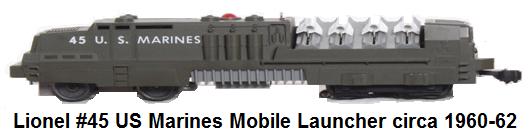
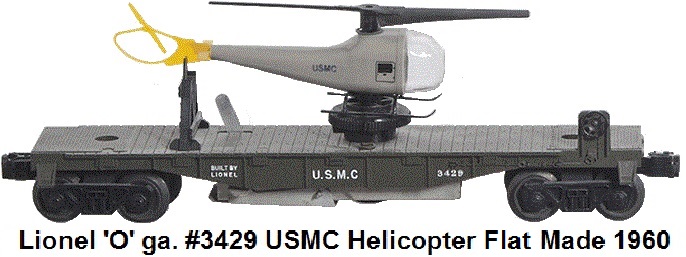

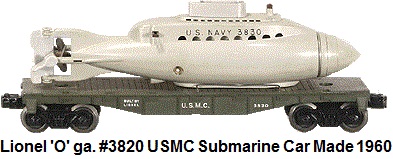
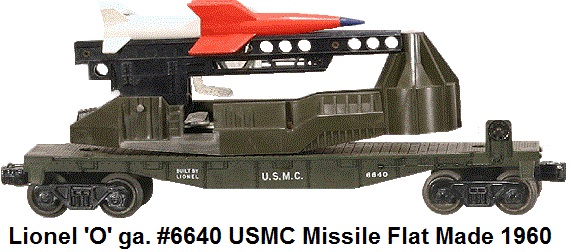
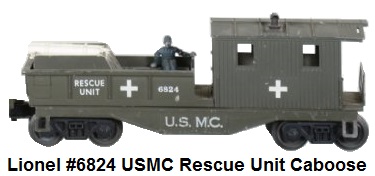
In 1969 the company was forced to reorganize by a bankruptcy proceeding. Lionel sold the train making
rights and all of the company's manufacturing equipment to General Mills Model Plastics Division (MPC),
which later changed its name to Fundimensions. The Lionel Corp. factory in New Jersey was permanently shut down.
Under Fundimensions, Lionel branched into the toy retail business in the 1970's. What was left of the original
Lionel Corporation emerged as a holding company for toy stores and hobby shops across the country.
Over the next three years, while newly focused on retailing, Lionel annual revenue somehow managed to more than double to
$80.1 million. Production of the Lionel train products was resumed by General Mills at a plant opened
in Mt. Clemens, Michigan under the Fundimensions name and a catalog of products was issued for 1970.
 The period from 1970 to 1986 is referred to as the MPC era, and while the products that were produced during this
time were not considered to be as classic or ground-breaking as those made in the pre- and post-war periods, they still
represent an important transition era in Lionel's history.
The period from 1970 to 1986 is referred to as the MPC era, and while the products that were produced during this
time were not considered to be as classic or ground-breaking as those made in the pre- and post-war periods, they still
represent an important transition era in Lionel's history.
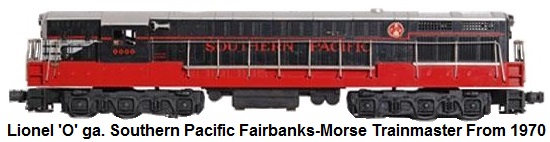 The tighter budgets that were imposed by the parent company, General Mills, now dictated that MPC
designers, managers and engineers had to come up with more creative ways to develop products that would appeal to the toy
train and model train consumer market. One such mechanism employed was to leverage and extend the existing designs and tools
that were created by Lionel Corp. in the 1940's and 1950's. These were adapted with more modern production techniques and
re-used over and over again during the 1970's and 1980's, but with many imaginative and innovative minor changes applied to
facilitate delivery of a new line of products with more variety. Issuing products with more contemporary and a wider variety
of road names and liveries was one such mechanism employed. This era also witnessed the first implementations of early
digital technologies for train operation and recreation of more realistic sounds. Fundimensions also had the advantage of
great experience in the plastics industry which they also were able to successfully incorporate into the train line.
The tighter budgets that were imposed by the parent company, General Mills, now dictated that MPC
designers, managers and engineers had to come up with more creative ways to develop products that would appeal to the toy
train and model train consumer market. One such mechanism employed was to leverage and extend the existing designs and tools
that were created by Lionel Corp. in the 1940's and 1950's. These were adapted with more modern production techniques and
re-used over and over again during the 1970's and 1980's, but with many imaginative and innovative minor changes applied to
facilitate delivery of a new line of products with more variety. Issuing products with more contemporary and a wider variety
of road names and liveries was one such mechanism employed. This era also witnessed the first implementations of early
digital technologies for train operation and recreation of more realistic sounds. Fundimensions also had the advantage of
great experience in the plastics industry which they also were able to successfully incorporate into the train line.
During its first two years MPC/Lionel focused almost entirely on producing starter sets, with limited
offerings of extra cars and accessories, and no other locomotives other than those included in the sets. In 1972 Lionel
issued the 'O' gauge die-cast #8206 New York Central Hudson steam locomotive that utilized the boiler and drive train of
the post-war #665 4-6-4 Hudson. This was the first MPC engine offered for separate sale. It featured Magnetraction and a
steam generator that were post-war era technologies, however a new feature not found on post-war era steam engines called
the 'Electronic Sound of Steam' was now included. The Sound of Steam was actuated by the moving drive wheels on the engine
closing a circuit which was connected to a primitive printed circuit board installed in the coal tender. A white noise sound
resembling the chugging of an engine was created. The #8206 also was equipped with an electronic whistle, but it was not
reliable and many #8206's found today have defective whistles. The #8206 was the first locomotive issued in what would be an
extensive line of MPC-era large steam engines produced utilizing tooling originally developed in the post-war era.

In 1973 Fundimensions attempted to revive the Lionel 'HO' gauge line, manufacturing part of the train line
in Mt. Clemens and part in the Orient by Kader, the parent company of Bachmann.
However, the HO line once again failed to sell and was discontinued five years later. The Lionel catalog for 1976 featured a
new top-of-the-line set called the Empire State express, which was headed by another New York Central 4-6-4, numbered #8600.
This engine was not a repeat of the #8206, but instead used the boiler casting from the post-war era #2046/#646 locos, which
were bigger and chunkier looking than the #665. 1977 saw the release of another die-cast 4-6-4, the #8702 Southern Crescent.
Up until this time, all MPC-era steam type locomotives had been issued with the same black colored bodies as their post-war
ancestors. The Southern Crescent passenger set however was headed by a green, silver and gold painted 4-6-4 Hudson die-cast
locomotive that utilized the same design as the #8600 from the previous year. The #8702 also featured smoke, magnetraction,
and the electronic sound of steam. In 1978 Lionel followed up with this same approach by issuing the #8801 Blue Comet Hudson
set. This was headed by a high gloss 2-tone blue painted Hudson that utilized the post-war #2046/#646 shell and a boilerfront
that had the #665 style feedwater-heater molded in.
 In general, Lionel trains had regained its health in the 1970's, enjoying increasing sales through the decade.
In 1979 Fundimensions reintroduced the American Flyer 'S' gauge trains as part of the Lionel line. They also
announced an 'O' gauge line that would commemorate five of the greatest railroads in American history called the
'Famous American Railroad (FARR) Series.' This series started out with a die-cast Hudson locomotive #8900 Santa Fe
issued in 1979. As part of the FARR series Lionel decided to revive the 2-8-4
Berkshire style locomotive it had popularized in the post-war era with the #726 and #736 steamers, so in 1980 a new Berk
was produced as the #8002 Union Pacific two-tone gray-painted loco fitted with smoke deflectors
on the boiler. It was the first ever Lionel engine equipped with smoke deflectors and became a very popular engine.
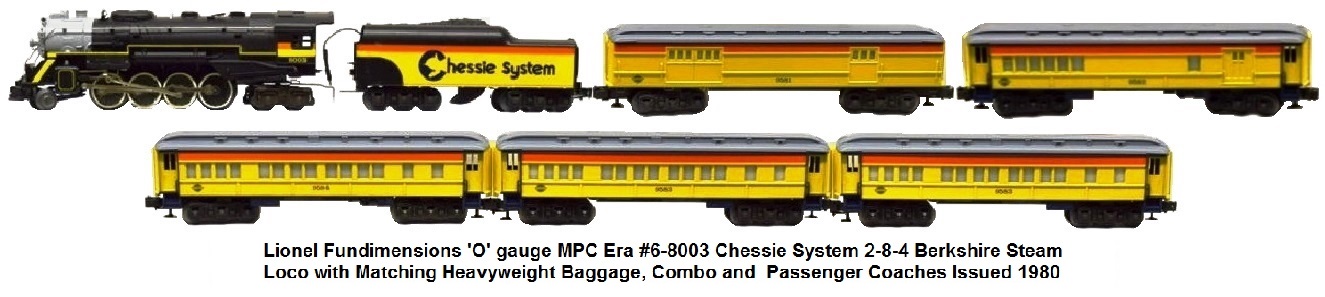
A second Berk was produced in 1980, but was not part of the FARR series. This was the #8003 Chessie Steam Special painted
in the famous Chesepeake RR 'Chessie System' yellow and dark blue livery sporting the recognizable cat logo, vermillion
stripes, a gray boilerfront and blue lettering. The 2-8-4 Berkshires utilize worm gears that are
much different from the spur gearing used in the 4-6-4 Hudsons, and required an entirely different assembly process.
In general, Lionel trains had regained its health in the 1970's, enjoying increasing sales through the decade.
In 1979 Fundimensions reintroduced the American Flyer 'S' gauge trains as part of the Lionel line. They also
announced an 'O' gauge line that would commemorate five of the greatest railroads in American history called the
'Famous American Railroad (FARR) Series.' This series started out with a die-cast Hudson locomotive #8900 Santa Fe
issued in 1979. As part of the FARR series Lionel decided to revive the 2-8-4
Berkshire style locomotive it had popularized in the post-war era with the #726 and #736 steamers, so in 1980 a new Berk
was produced as the #8002 Union Pacific two-tone gray-painted loco fitted with smoke deflectors
on the boiler. It was the first ever Lionel engine equipped with smoke deflectors and became a very popular engine.
A second Berk was produced in 1980, but was not part of the FARR series. This was the #8003 Chessie Steam Special painted
in the famous Chesepeake RR 'Chessie System' yellow and dark blue livery sporting the recognizable cat logo, vermillion
stripes, a gray boilerfront and blue lettering. The 2-8-4 Berkshires utilize worm gears that are
much different from the spur gearing used in the 4-6-4 Hudsons, and required an entirely different assembly process.
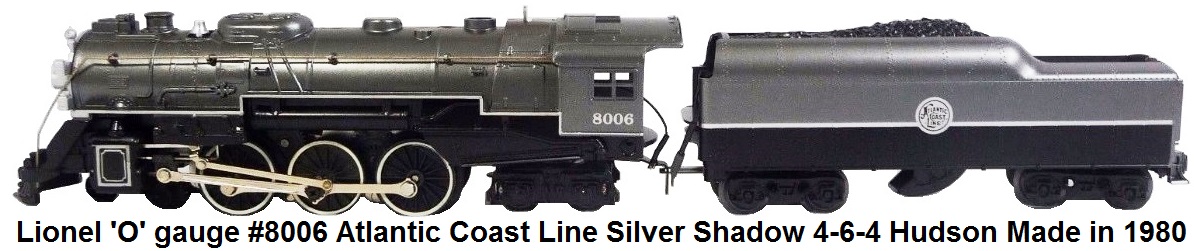 Also in 1980, Lionel produced a special 4-6-4 die-cast loco that was uncatalogued and only available from JC Penney.
It was the gray and silver painted #8006 Atlantic Coast Line Hudson that featured smoke, magnetraction, Sound of steam,
and a whistle. It included a walnut display board with a plexiglass cover. This engine is referred to as ‘The Silver Shadow’,
and it is one of the most difficult MPC-era steam engines to acquire. In 1981 Lionel issued the third offering in the FARR
series. It was a set headed by a 4-8-4 Great Northern #3100. It was essentially a repeat of the
#8002 Union Pacific 2-8-4, but fitted with a 4-wheel front truck and sporting a handsome black and green paint scheme.
1981 also saw the re-issue of the famous post-war 4-8-4 streamlined Class J bullet nose steam loco bearing the Norfolk &
Western livery. This was catalogue item #8100 and was adorned with the running #611, which was true to the prototype, as
opposed to the running #746 that was assigned to the post-war Lionel model. A set of aluminum passenger cars painted to
match the loco were also issued, and many collectors and operators consider this set to be the cream of the crop of
MPC era products.
Also in 1980, Lionel produced a special 4-6-4 die-cast loco that was uncatalogued and only available from JC Penney.
It was the gray and silver painted #8006 Atlantic Coast Line Hudson that featured smoke, magnetraction, Sound of steam,
and a whistle. It included a walnut display board with a plexiglass cover. This engine is referred to as ‘The Silver Shadow’,
and it is one of the most difficult MPC-era steam engines to acquire. In 1981 Lionel issued the third offering in the FARR
series. It was a set headed by a 4-8-4 Great Northern #3100. It was essentially a repeat of the
#8002 Union Pacific 2-8-4, but fitted with a 4-wheel front truck and sporting a handsome black and green paint scheme.
1981 also saw the re-issue of the famous post-war 4-8-4 streamlined Class J bullet nose steam loco bearing the Norfolk &
Western livery. This was catalogue item #8100 and was adorned with the running #611, which was true to the prototype, as
opposed to the running #746 that was assigned to the post-war Lionel model. A set of aluminum passenger cars painted to
match the loco were also issued, and many collectors and operators consider this set to be the cream of the crop of
MPC era products.
 1981 was MPC/Lionel’s best year. Some of the most popular sets and locomotives of the period were included in the
1981 catalog. One such set was the Chicago and Alton ‘Red Train’, headed up by a 4-6-4 Hudson in Alton’s dark red,
silver and gold paint decoration. The #8101 loco was a repeat of the #8702 Southern Crescent loco, but the tender was
something entirely different. Until this point, all of MPC/Lionel’s big steamers had used the same #2046W post-war type
streamlined tender. The #8101 came with a #2224W type 12-wheel cast tender, last issued in 1940. The tender gave the
engine a heftier look compared to previous 4-6-4s. The tender also carried a prototypical #659. In 1980, Lionel had released
a series of six boxcars commemorating the 100th anniversary of the birth of Joshua Lionel Cowen, founder of the company.
In 1982 a matching locomotive and caboose were made to complete the set. The loco, #8210 was a 4-6-4 mechanical repeat of
the #8101 Alton Hudson, down to the 6-wheel #2224W type tender. However, it was painted a dark brown with gold accents,
and had a bit of a muted but stately appearance. It was also available through JC Penney
accompanied with a matching display case. The only other large format die-cast loco offered in 1982 was the #8215
Nickel Plate Road 2-8-4 that was offererd in the Fall Collector Center catalog, and the entire production run sold out
before the regular 1983 catalog was printed.
1981 was MPC/Lionel’s best year. Some of the most popular sets and locomotives of the period were included in the
1981 catalog. One such set was the Chicago and Alton ‘Red Train’, headed up by a 4-6-4 Hudson in Alton’s dark red,
silver and gold paint decoration. The #8101 loco was a repeat of the #8702 Southern Crescent loco, but the tender was
something entirely different. Until this point, all of MPC/Lionel’s big steamers had used the same #2046W post-war type
streamlined tender. The #8101 came with a #2224W type 12-wheel cast tender, last issued in 1940. The tender gave the
engine a heftier look compared to previous 4-6-4s. The tender also carried a prototypical #659. In 1980, Lionel had released
a series of six boxcars commemorating the 100th anniversary of the birth of Joshua Lionel Cowen, founder of the company.
In 1982 a matching locomotive and caboose were made to complete the set. The loco, #8210 was a 4-6-4 mechanical repeat of
the #8101 Alton Hudson, down to the 6-wheel #2224W type tender. However, it was painted a dark brown with gold accents,
and had a bit of a muted but stately appearance. It was also available through JC Penney
accompanied with a matching display case. The only other large format die-cast loco offered in 1982 was the #8215
Nickel Plate Road 2-8-4 that was offererd in the Fall Collector Center catalog, and the entire production run sold out
before the regular 1983 catalog was printed.
Lionel MPC Fundimensions, Lionel Trains Inc., and Lionel L.L.C. Modern Era Box Cars







 In 1983 Lionel modified the N&W bullet nose streamlined 4-8-4 with a new boilerfront and painted in
the Southern Pacific RR’s Daylight colors. It was made to match the SP aluminum cars produced a year earlier and given a
prototypical running #4449. Catalogued as #8307, this loco became the most valuable of all MPC die-cast steamers.
However, it has seen its value diminish as newer scale-sized SP 4-8-4's were produced in the 1990's and 2000's. But the
#8307 is an uncommon engine and remains the centerpiece of any 1970's-80's collection. It is mechanically identical
to the #8100 and included the same features. Unlike many Lionel passenger sets, the cars are actually as hard to find as
the engine, likely because this is the only MPC-era passenger set to have two engines, the other being the #8260/61/62
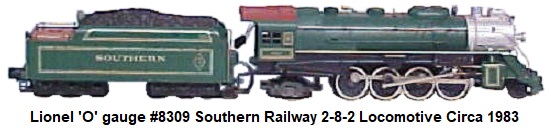
F-3 ABA diesels made in 1982. 1983 also witnessed the release of the fourth Famous American Railroad set in the form of
the #8309 Southern Railway 2-8-2. Lionel went back to the standard Berkshire formula, but this time changed the 4-wheel
rear truck to a 2-wheel version, resulting in the first 2-8-2 in Lionel history. Made at a time when Lionel was
experiencing production difficulties, the #8309 apparently had a shorter production run and is the most highly valued
of the five FARR steam engines. The size of the MPC era line ebbed and flowed, peaking in 1978 and 1983. For a while the
quality of the old days was maintained, and was considered good overall, with top-of-the-line items being far superior
to old Lionel and bottom of the line being worse.
In 1983 Lionel modified the N&W bullet nose streamlined 4-8-4 with a new boilerfront and painted in
the Southern Pacific RR’s Daylight colors. It was made to match the SP aluminum cars produced a year earlier and given a
prototypical running #4449. Catalogued as #8307, this loco became the most valuable of all MPC die-cast steamers.
However, it has seen its value diminish as newer scale-sized SP 4-8-4's were produced in the 1990's and 2000's. But the
#8307 is an uncommon engine and remains the centerpiece of any 1970's-80's collection. It is mechanically identical
to the #8100 and included the same features. Unlike many Lionel passenger sets, the cars are actually as hard to find as
the engine, likely because this is the only MPC-era passenger set to have two engines, the other being the #8260/61/62
F-3 ABA diesels made in 1982. 1983 also witnessed the release of the fourth Famous American Railroad set in the form of
the #8309 Southern Railway 2-8-2. Lionel went back to the standard Berkshire formula, but this time changed the 4-wheel
rear truck to a 2-wheel version, resulting in the first 2-8-2 in Lionel history. Made at a time when Lionel was
experiencing production difficulties, the #8309 apparently had a shorter production run and is the most highly valued
of the five FARR steam engines. The size of the MPC era line ebbed and flowed, peaking in 1978 and 1983. For a while the
quality of the old days was maintained, and was considered good overall, with top-of-the-line items being far superior
to old Lionel and bottom of the line being worse.
 Fundimensions became a part of Kenner-Parker Toys in 1983 and manufacturing was moved to Mexico. The new
manufacturing plant had a difficult time maintaining the quality of Lionel products and frequently missed delivery dates to
retailers, injuring the reputation of the brand. The fifth and final Famous American Railroad set commemorated the
Pennsylvania RR. To head up the set, Lionel brought back the die-cast 6-8-6 turbine, last made in 1955. This new turbine,
#8404, most closely resembled the #682 turbine of 1954-55, which was the last of the Postwar engines. Unlike the #682, the
#8404 was painted in dark green with a silver smokebox and boilerfront. Like all other top of the line steamers from the
time, this engine had magnetraction, smoke, electronic sound of steam, and a whistle. The #8404 was made in Mexico and
manufacturing was delayed almost a year. These engines, while good runners, seem to have had more production problems than
most Lionel locomotives.
Fundimensions became a part of Kenner-Parker Toys in 1983 and manufacturing was moved to Mexico. The new
manufacturing plant had a difficult time maintaining the quality of Lionel products and frequently missed delivery dates to
retailers, injuring the reputation of the brand. The fifth and final Famous American Railroad set commemorated the
Pennsylvania RR. To head up the set, Lionel brought back the die-cast 6-8-6 turbine, last made in 1955. This new turbine,
#8404, most closely resembled the #682 turbine of 1954-55, which was the last of the Postwar engines. Unlike the #682, the
#8404 was painted in dark green with a silver smokebox and boilerfront. Like all other top of the line steamers from the
time, this engine had magnetraction, smoke, electronic sound of steam, and a whistle. The #8404 was made in Mexico and
manufacturing was delayed almost a year. These engines, while good runners, seem to have had more production problems than
most Lionel locomotives.
 When Kenner-Parker Toys, Inc., spun off from General Mills
in 1985, Lionel went with it as one of its divisions. That year Lionel moved its train production back to
Mt. Clemens. Lionel production under Fundimensions continued until 1986 when the name, rights and
facilities were sold to Richard Kughn, a Detroit based collector and real estate man, and a group of
investors. After paying an estimated $25 million, Kughn created Lionel Trains
Incorporated (LTI), an autonomous
train maker. Kughn, who took over as the company's chairman, was an avid model train collector and,
when he became interested in purchasing Lionel, already owned thousands of trains in a collection
whose worth was estimated at nearly $1 million. Within two years of the purchase, Lionel's sales
rose 150 percent, to $50 million a year, and market share reached 60 percent. Both the Collector
and Traditional lines of trains showed record sales that year. Initially there were numerous
excursions into semi-scale models and Standard gauge reissues, but their production was reduced greatly
by 1991.
When Kenner-Parker Toys, Inc., spun off from General Mills
in 1985, Lionel went with it as one of its divisions. That year Lionel moved its train production back to
Mt. Clemens. Lionel production under Fundimensions continued until 1986 when the name, rights and
facilities were sold to Richard Kughn, a Detroit based collector and real estate man, and a group of
investors. After paying an estimated $25 million, Kughn created Lionel Trains
Incorporated (LTI), an autonomous
train maker. Kughn, who took over as the company's chairman, was an avid model train collector and,
when he became interested in purchasing Lionel, already owned thousands of trains in a collection
whose worth was estimated at nearly $1 million. Within two years of the purchase, Lionel's sales
rose 150 percent, to $50 million a year, and market share reached 60 percent. Both the Collector
and Traditional lines of trains showed record sales that year. Initially there were numerous
excursions into semi-scale models and Standard gauge reissues, but their production was reduced greatly
by 1991.
So, between the 1980's and the end of the 1990's, the company had been sold a
couple of times, though not before a resurgence of the 700E locomotive that had a surprisingly
long run of production, and the introduction of true wireless train control. Lionel floundered
financially as a holding company until bankruptcy around 1990.
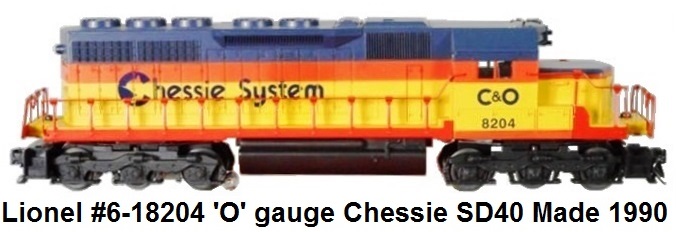 During this time the line was significantly re-vamped providing more and higher quality beginner level
equipment and an overall more balanced line up to $600 diesels. Quality and selection were also
greatly increased. LTI introduced new and innovative items with a vigor matched only by the Lionel Corp.
of the 1950's. They made substantial use of the latest electronics in such items as Railscope (a
locomotive introduced in 1988 with a miniature video camera in the nose), RailSounds® (a micro-electronic sound
chip placed inside the engines in 1989 that held an exact sound recording from full-size trains), RailSounds II,
electronic e-units, and the TrainMaster wireless control system. Through a joint venture with Lionel called
Liontech, the rock singer Neil Young developed the TrainMaster Command Control (TMCC) in order to share
During this time the line was significantly re-vamped providing more and higher quality beginner level
equipment and an overall more balanced line up to $600 diesels. Quality and selection were also
greatly increased. LTI introduced new and innovative items with a vigor matched only by the Lionel Corp.
of the 1950's. They made substantial use of the latest electronics in such items as Railscope (a
locomotive introduced in 1988 with a miniature video camera in the nose), RailSounds® (a micro-electronic sound
chip placed inside the engines in 1989 that held an exact sound recording from full-size trains), RailSounds II,
electronic e-units, and the TrainMaster wireless control system. Through a joint venture with Lionel called
Liontech, the rock singer Neil Young developed the TrainMaster Command Control (TMCC) in order to share
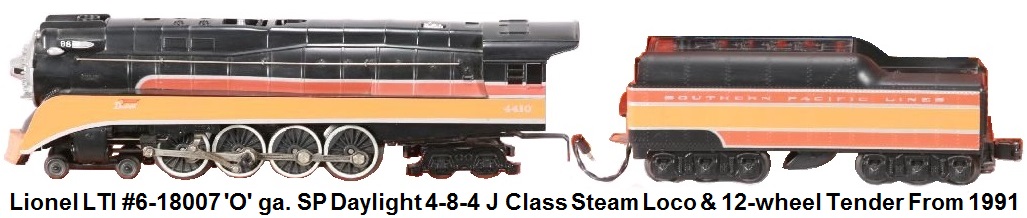 his passion for model railroading with his son Ben, a victim of cerebral palsy. TMCC is a control system
that uses hand held walk-around remote controls to operate trains. Easier to use than a traditional
transformer, the hand-held controller uses on-board electronic processors to move the train via
electronic signal and incorporates digital sound to more closely reproduce such sounds as engines
churning or cars uncoupling. RailSounds® is a digital sound system for the trains
that provides authentic start-up and shut-down sounds, diesel horn and bell sounds, three different
RPM levels for diesel locomotives when in neutral, ramp ups when running, and brake and boost sounds.
For steam locomotives it provides chugging, whistles and the screeching of steel wheels on steel rails.
his passion for model railroading with his son Ben, a victim of cerebral palsy. TMCC is a control system
that uses hand held walk-around remote controls to operate trains. Easier to use than a traditional
transformer, the hand-held controller uses on-board electronic processors to move the train via
electronic signal and incorporates digital sound to more closely reproduce such sounds as engines
churning or cars uncoupling. RailSounds® is a digital sound system for the trains
that provides authentic start-up and shut-down sounds, diesel horn and bell sounds, three different
RPM levels for diesel locomotives when in neutral, ramp ups when running, and brake and boost sounds.
For steam locomotives it provides chugging, whistles and the screeching of steel wheels on steel rails.

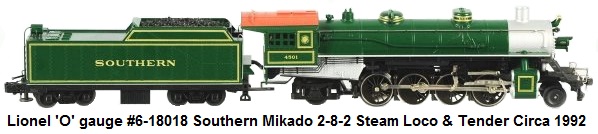 Completely new product lines also expanded Lionel's offerings during the late 1980's and early 1990's.
Ready-to-run sets of trains with an 'O27' gauge, slightly smaller than the 'O' gauge, were first
offered in the late 1980's. A new line of trains that were the scale of real trains was introduced in 1987.
Roughly twice the size of the 'O' gauge trains, the Lionel Large Scale was made of weather resistant
plastic to allow their use indoors or out. These trains are considered to be 'G' scale.
In 1992 through a collaboration with the Smithsonian Institution, Lionel
created a collection of museum-quality 'O' scale engines. These were highly detailed brass models. An exact
replica of the 1938 New York
Completely new product lines also expanded Lionel's offerings during the late 1980's and early 1990's.
Ready-to-run sets of trains with an 'O27' gauge, slightly smaller than the 'O' gauge, were first
offered in the late 1980's. A new line of trains that were the scale of real trains was introduced in 1987.
Roughly twice the size of the 'O' gauge trains, the Lionel Large Scale was made of weather resistant
plastic to allow their use indoors or out. These trains are considered to be 'G' scale.
In 1992 through a collaboration with the Smithsonian Institution, Lionel
created a collection of museum-quality 'O' scale engines. These were highly detailed brass models. An exact
replica of the 1938 New York
 Central Streamlined Dreyfuss-Hudson locomotive, the first engine produced, was offered in a limited edition
run of only 500. It was built for Lionel by Gary Kohs, a noted 1 gauge industrial model producer and importer
(Fine Art Models). Lionel held a lottery to see who would be offered the chance to purchase the 500 Hudsons.
These models were 2-rail DC powered and came in a wood box, that was accompanied by a wooden display board
that featured a two-rail track and powered wheels that would align with the locomotive's drivers to allow for
running the train in-place on
Central Streamlined Dreyfuss-Hudson locomotive, the first engine produced, was offered in a limited edition
run of only 500. It was built for Lionel by Gary Kohs, a noted 1 gauge industrial model producer and importer
(Fine Art Models). Lionel held a lottery to see who would be offered the chance to purchase the 500 Hudsons.
These models were 2-rail DC powered and came in a wood box, that was accompanied by a wooden display board
that featured a two-rail track and powered wheels that would align with the locomotive's drivers to allow for
running the train in-place on
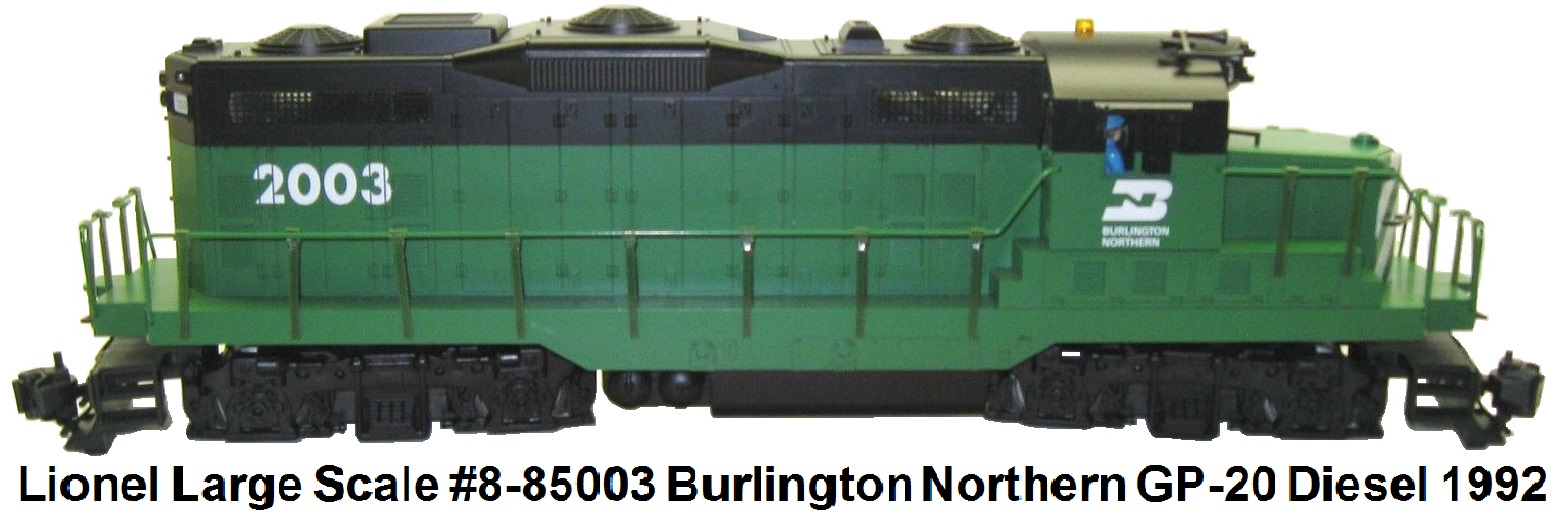 the display board. A plexiglass cover was also included, as well as a whistle/bell controller, and a full sized poster,
autographed by Richard Kughn. Demand was so great for this finely detailed and built locomotive that Lionel followed up in
1993 with a 3 rail version (#18027) producing 750 units and again using a lottery to determine who could purchase them.
Lionel also produced matching NYC streamlined passenger cars so that a prototypical 20th Century Limited consist could be
run. A scale streamlined PRR Pennsylvania Railroad K4s Pacific engine and cars was also made as a Broadway Limited set.
Overall Lionel sales in 1992 were $55 million.
the display board. A plexiglass cover was also included, as well as a whistle/bell controller, and a full sized poster,
autographed by Richard Kughn. Demand was so great for this finely detailed and built locomotive that Lionel followed up in
1993 with a 3 rail version (#18027) producing 750 units and again using a lottery to determine who could purchase them.
Lionel also produced matching NYC streamlined passenger cars so that a prototypical 20th Century Limited consist could be
run. A scale streamlined PRR Pennsylvania Railroad K4s Pacific engine and cars was also made as a Broadway Limited set.
Overall Lionel sales in 1992 were $55 million.
 In September 1995 Wellspring Associates LLC acquired LTI and the trademarks of the original
Lionel Corporation, previously leased by MPC and LTI. Their intentions included increased marketing
toward the general population rather than just the toy train market. Neil Young's interest in Lionel
expanded in 1995 when he joined with former Paramount Communications chairman Martin Davis to
purchase Lionel from Kughn. The purchase was friendly, with Kughn remaining as chairman emeritus
and retaining a minority share in the renamed Lionel L.L.C. Wellspring Associates L.L.C., an
investment firm started by Davis, held Davis's majority share (80%). As part of the deal,
Lionel became the full owner of Liontech, the joint venture with Young. Young received a 20% share of
Lionel. In 1999, Richard N. Maddox, became President and COO. Maddox had a long and successful carrer in
model railroading and starting in 1987 was Senior Vice President of Sales and Marketing at
Bachmann Industries.
In September 1995 Wellspring Associates LLC acquired LTI and the trademarks of the original
Lionel Corporation, previously leased by MPC and LTI. Their intentions included increased marketing
toward the general population rather than just the toy train market. Neil Young's interest in Lionel
expanded in 1995 when he joined with former Paramount Communications chairman Martin Davis to
purchase Lionel from Kughn. The purchase was friendly, with Kughn remaining as chairman emeritus
and retaining a minority share in the renamed Lionel L.L.C. Wellspring Associates L.L.C., an
investment firm started by Davis, held Davis's majority share (80%). As part of the deal,
Lionel became the full owner of Liontech, the joint venture with Young. Young received a 20% share of
Lionel. In 1999, Richard N. Maddox, became President and COO. Maddox had a long and successful carrer in
model railroading and starting in 1987 was Senior Vice President of Sales and Marketing at
Bachmann Industries.


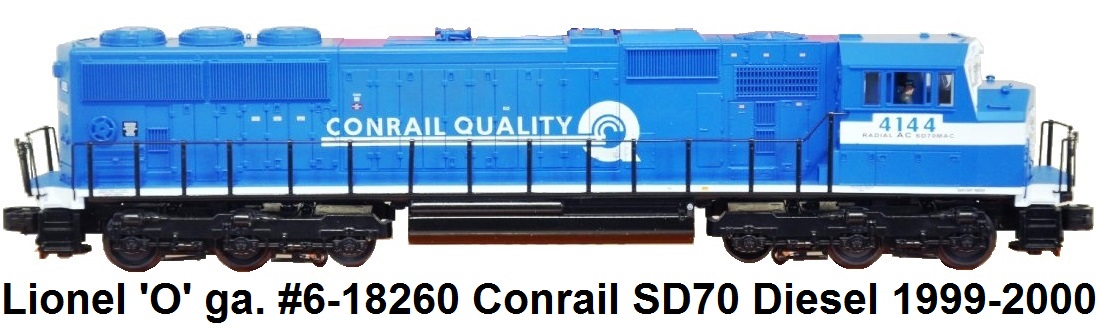
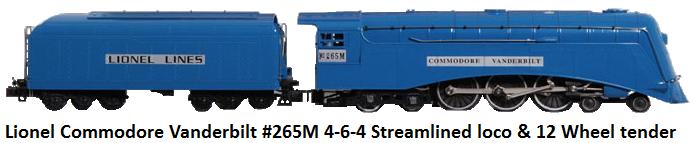 In 2000, Lionel celebrated its 100th anniversary with the announcement of the
Odyssey System. This system was designed to maintain a locomotive’s speed as though it were on cruise
control, thus simulating a more prototypical movement, such as speeding up and slowing down on grades.
Lionel LLC President and COO Dick Maddox also announced at Toy Fair
that Atlas O, K-Line Electric Trains and
Weaver Models had formed a partnership to license the Lionel TrainMaster®
Command Control (TMCC) and RailSounds® technology.
John W. Brady, a former marketing head at Mantua was brought on board the
Lionel team to head up its marketing division.
In 2000, Lionel celebrated its 100th anniversary with the announcement of the
Odyssey System. This system was designed to maintain a locomotive’s speed as though it were on cruise
control, thus simulating a more prototypical movement, such as speeding up and slowing down on grades.
Lionel LLC President and COO Dick Maddox also announced at Toy Fair
that Atlas O, K-Line Electric Trains and
Weaver Models had formed a partnership to license the Lionel TrainMaster®
Command Control (TMCC) and RailSounds® technology.
John W. Brady, a former marketing head at Mantua was brought on board the
Lionel team to head up its marketing division.
 Also, in 2000, MTH, then known as Mike's Train House, sued Lionel
after its South Korean supplier stole some of MTH's train designs. In 2004, a Michigan
jury awarded MTH $40.8 million
- a decision that forced the 107-year-old Lionel to file for bankruptcy on November 15 that year.
In an effort to line up financing in order to emerge from Chapter 11 protection, Lionel pegged its value at
$100 million. And the end of March 2008 was set as a target for Lionel to exit Chapter 11. But in late 2006,
a panel of judges from the 6th U.S. Circuit Court of Appeals overturned the verdict and ordered
a new trial. Lionel eventually reached a deal with MTH Electric Trains to settle their trade-secrets battle.
Also, in 2000, MTH, then known as Mike's Train House, sued Lionel
after its South Korean supplier stole some of MTH's train designs. In 2004, a Michigan
jury awarded MTH $40.8 million
- a decision that forced the 107-year-old Lionel to file for bankruptcy on November 15 that year.
In an effort to line up financing in order to emerge from Chapter 11 protection, Lionel pegged its value at
$100 million. And the end of March 2008 was set as a target for Lionel to exit Chapter 11. But in late 2006,
a panel of judges from the 6th U.S. Circuit Court of Appeals overturned the verdict and ordered
a new trial. Lionel eventually reached a deal with MTH Electric Trains to settle their trade-secrets battle.
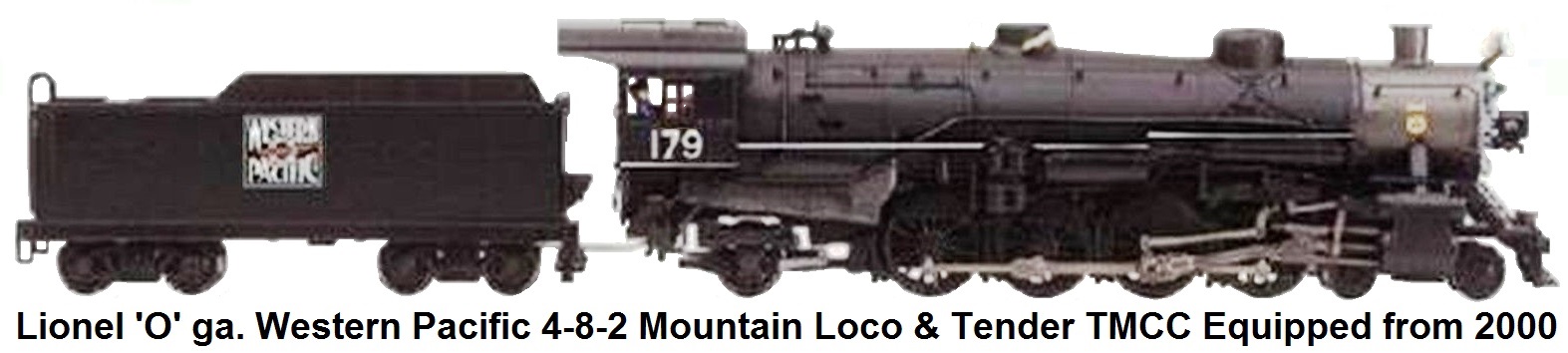 In October 2001 William L. Bracy became Chief Executive
Officer of Lionel, LLC. 20 years earlier, Bracy was on the corporate financial staff of General Mills,
conducting a broad range of acquisition and business analyses. Two years later, he joined Fundimensions
in Michigan which was a hobby/craft subsidiary of General Mills, that included Lionel. In July of 2001
Lionel LLC. acquired IC Controls, Inc. a technology developer known for its advancements in capabilities of
model railroad command controls. Around this time, Lionel also decided to move the remainder of its
manufacturing offshore and close down its domestic plant in Chesterfield, Michigan.
A large auction was held to liquidate the large volume of surplus parts, vintage promotional materials and
inventory that had been stockpiled there over the years.
In October 2001 William L. Bracy became Chief Executive
Officer of Lionel, LLC. 20 years earlier, Bracy was on the corporate financial staff of General Mills,
conducting a broad range of acquisition and business analyses. Two years later, he joined Fundimensions
in Michigan which was a hobby/craft subsidiary of General Mills, that included Lionel. In July of 2001
Lionel LLC. acquired IC Controls, Inc. a technology developer known for its advancements in capabilities of
model railroad command controls. Around this time, Lionel also decided to move the remainder of its
manufacturing offshore and close down its domestic plant in Chesterfield, Michigan.
A large auction was held to liquidate the large volume of surplus parts, vintage promotional materials and
inventory that had been stockpiled there over the years.
 2001 saw the return of Standard gauge to Lionel's product line with the release of an all new
Milwaukee Road Hiawatha set. This tinplate set was well received by collectors as it not only was the first new Standard gauge
train from Lionel in 60 years, but it was fitted with modern TrainMaster® Command Control electronics, operating fan-driven
smoke and a Railsounds® sound system. The streamlined 4-6-4 locomotive was accompanied by 3 tinplate passenger cars -
a combo, a Pullman, and an observation. Then in 2002 Lionel followed up with a tinplate Standard gauge Commodore Vanderbilt
set. Unfortunately, corporate changes and small market share meant that it was once again the end of another Standard gauge
era for Lionel.
2001 saw the return of Standard gauge to Lionel's product line with the release of an all new
Milwaukee Road Hiawatha set. This tinplate set was well received by collectors as it not only was the first new Standard gauge
train from Lionel in 60 years, but it was fitted with modern TrainMaster® Command Control electronics, operating fan-driven
smoke and a Railsounds® sound system. The streamlined 4-6-4 locomotive was accompanied by 3 tinplate passenger cars -
a combo, a Pullman, and an observation. Then in 2002 Lionel followed up with a tinplate Standard gauge Commodore Vanderbilt
set. Unfortunately, corporate changes and small market share meant that it was once again the end of another Standard gauge
era for Lionel.
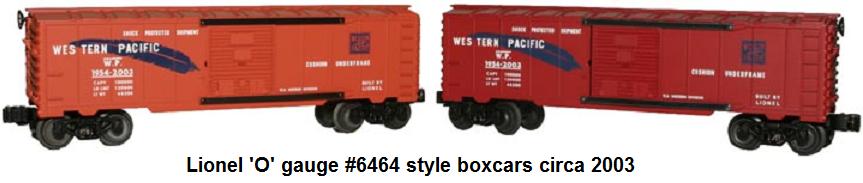 In July of 2002, Dick Maddox announced that he would retire from Lionel. That same year, Lionel re-introduced
the iconic F3 Diesel locomotive in 'O' gauge that was a staple of its product line starting in the 1940's and 50's.
Four road names - Alaska RR, Western Pacific, Baltimore & Ohio, and Santa Fe were offered. The re-worked
and updated scale-sized Lionel F3 featured accurate body designs, including metal, see-through screens
on the body, and pivoting diaphragms on the back doors. Matching powered and non-powered B-units were available in each
version, so that prototypical A-B-B-A lash-ups could be run. The following
year, Lionel released its first HO gauge products in 26 years. The first product was a Union
Pacific 4-6-6-4 Challenger diecast locomotive. Lionel previously offered HO products from 1957-1966
and again from 1974-1977. In 2004, Jerry Calabrese, former Marvel Comics President, was named as Lionel's
Chief Executive Officer, replacing Maddox.
In July of 2002, Dick Maddox announced that he would retire from Lionel. That same year, Lionel re-introduced
the iconic F3 Diesel locomotive in 'O' gauge that was a staple of its product line starting in the 1940's and 50's.
Four road names - Alaska RR, Western Pacific, Baltimore & Ohio, and Santa Fe were offered. The re-worked
and updated scale-sized Lionel F3 featured accurate body designs, including metal, see-through screens
on the body, and pivoting diaphragms on the back doors. Matching powered and non-powered B-units were available in each
version, so that prototypical A-B-B-A lash-ups could be run. The following
year, Lionel released its first HO gauge products in 26 years. The first product was a Union
Pacific 4-6-6-4 Challenger diecast locomotive. Lionel previously offered HO products from 1957-1966
and again from 1974-1977. In 2004, Jerry Calabrese, former Marvel Comics President, was named as Lionel's
Chief Executive Officer, replacing Maddox.
Despite the pending litigation from MTH, business continued as usual at Lionel. Several new products
were released, including the all-new #6-38079 Southern Pacific GS-2 and #6-38080 Western Pacific
GS-64 steam locomotives in 'O' gauge, a detailed model of the Amtrak Acela in 'O', and a scale replica of
the historic Santa Fe #3751 4-8-4 Northern in 'O'. A Polar Express train set
in 'O' gauge, released shortly after the box office success of the motion picture, became a highly
succesful commercial offering. Lionel also entered the PRR K-4 Pacific market with their own 'O' gauge model
in 2002.
 In July 2005, Lionel filed a lawsuit against K-Line Model Trains claiming that
K-Line had paid Lionel's chief engineer to design speed control, sound and transformer systems for
use in K-Line’s products, and that those K-Line products contained Lionel’s proprietary technology.
K-Line, which filed for bankruptcy protection during the proceedings, eventually agreed to a settlement
that included a permanent injunction that prohibited them from manufacturing or selling any products
that allegedly contained Lionel's technology. They also agreed to renounce any claim to the technology
in question, and to give Lionel a $2 million damage claim in its bankruptcy case. Finally, in order
to avoid future litigation, K-Line granted Lionel a royalty free license for other, selected patents.
Unable to recover financially, in May of 2006, K-Line's assets, including its inventory, intellectual
property, tooling, and trademarks were acquired by Lionel. Lionel committed to making good on all
unfulfilled K-Line product orders and to re-launch K-Line as one of its own brands. Since then Lionel has
used updated K-Line tooling to produce a more dimensionally accurate model for their Legacy equipped K4 Pacifics.
In July 2005, Lionel filed a lawsuit against K-Line Model Trains claiming that
K-Line had paid Lionel's chief engineer to design speed control, sound and transformer systems for
use in K-Line’s products, and that those K-Line products contained Lionel’s proprietary technology.
K-Line, which filed for bankruptcy protection during the proceedings, eventually agreed to a settlement
that included a permanent injunction that prohibited them from manufacturing or selling any products
that allegedly contained Lionel's technology. They also agreed to renounce any claim to the technology
in question, and to give Lionel a $2 million damage claim in its bankruptcy case. Finally, in order
to avoid future litigation, K-Line granted Lionel a royalty free license for other, selected patents.
Unable to recover financially, in May of 2006, K-Line's assets, including its inventory, intellectual
property, tooling, and trademarks were acquired by Lionel. Lionel committed to making good on all
unfulfilled K-Line product orders and to re-launch K-Line as one of its own brands. Since then Lionel has
used updated K-Line tooling to produce a more dimensionally accurate model for their Legacy equipped K4 Pacifics.
In 2006, the Lionel electric train was inducted into the National Toy Hall of Fame, along with the Easy Bake Oven.
It was the first time an electric toy had ever been inducted. That same year, Lionel made a bigger push to sell its
train sets outside of hobby shops, selling them in stores such as FAO Schwarz, Macy's, and Target. By November 2006,
the company had turned a US$760,000 profit on sales of US$55 million. 200,000 train sets were sold in 2006.
Also in 2006, Lionel announced it was opening a
new office and showroom at 33rd Street and Madison Avenue in New York City, not too far from the original famous old
office and showroom that was located on 26th Street in Manhattan.
In 2007 Lionel released a Ready-To-Run Harry Potter™
Hogwarts Express™ train set in 'O' gauge. In 2007, Lionel had pretax earnings of $10.8 million on
sales of $62.2 million. In somewhat of a shock to the model train hobby world, in
December 2008, an announcement was leaked to the public that Lionel would license MTH to use the
Lionel name on historical tinplate Standard and 'O' gauge model trains and accessories that
MTH would make. The agreement between Lionel and MTH was a conventional and straightforward, multi-year
license, in which Lionel would be paid a royalty on each tinplate train that was sold. It included
American Flyer badging as well. Lionel worked with MTH to select the trains that would be made.
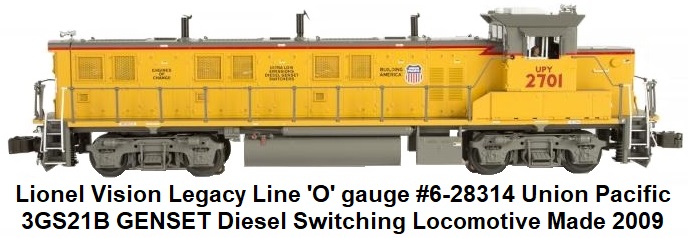 In 2008, Lionel LLC moved its office headquarters out of Chesterfield Township to New York
to focus on expanding retail sales but kept its longtime hobby business and other operations in the Detroit area.
Lionel also opened an office in San Francisco, and announced development of
a new 'Vision Line' of highly detailed larger class locomotives in 'O' scale. Subsequent release included
a Pennsylvania CC2 (6-11154) priced at $1,799.99, a Santa Fe 2-10-10-2 (6-11155) at $2,299.99, a
Union Pacific Genset Switcher (6-28314) at $699.99, and GE’s Evolution® Hybrid (6-28306) at $899.99.
Also announced was
the 'Classic Line' of non scale steam and diesel engines, accessories and rolling stock to consist of
highly refined reissues of some of the more famous trains that Lionel put out in the post-war era.
In 2009 Lionel moved its customer service and repair operations from Michigan to Ohio.
Lionel also held a series of events to promote its new Legacy Control System, the next generation
of TMCC. The original TMCC controllers were announced as end of life in 2010. Lionel wanted its customers
to move to the new Legacy control platform, which was backward compatible with TMCC capable engines. Also
in 2010, Lionel diversified their product line by the addition of NASCAR’s collectible race cars to ther train
business. The company's 'O' gauge toy train manufacturing took place in China. Some products were shipped to
Lionel operations in Virginia for final assembly and painting.
In 2008, Lionel LLC moved its office headquarters out of Chesterfield Township to New York
to focus on expanding retail sales but kept its longtime hobby business and other operations in the Detroit area.
Lionel also opened an office in San Francisco, and announced development of
a new 'Vision Line' of highly detailed larger class locomotives in 'O' scale. Subsequent release included
a Pennsylvania CC2 (6-11154) priced at $1,799.99, a Santa Fe 2-10-10-2 (6-11155) at $2,299.99, a
Union Pacific Genset Switcher (6-28314) at $699.99, and GE’s Evolution® Hybrid (6-28306) at $899.99.
Also announced was
the 'Classic Line' of non scale steam and diesel engines, accessories and rolling stock to consist of
highly refined reissues of some of the more famous trains that Lionel put out in the post-war era.
In 2009 Lionel moved its customer service and repair operations from Michigan to Ohio.
Lionel also held a series of events to promote its new Legacy Control System, the next generation
of TMCC. The original TMCC controllers were announced as end of life in 2010. Lionel wanted its customers
to move to the new Legacy control platform, which was backward compatible with TMCC capable engines. Also
in 2010, Lionel diversified their product line by the addition of NASCAR’s collectible race cars to ther train
business. The company's 'O' gauge toy train manufacturing took place in China. Some products were shipped to
Lionel operations in Virginia for final assembly and painting.
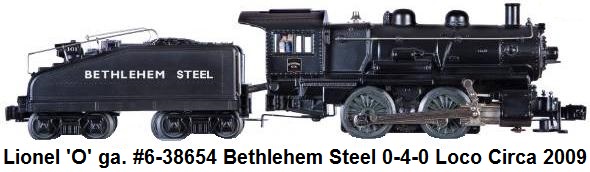
 In April 2014, after 10 years in that role, Jerry Calabrese resigned as President and CEO of Lionel Electric Trains.
Calabrese’s departure was part of a transition process that started in 2013 when Lionel consolidated
operations at its 90,000-square-foot office and warehouse space on Performance Drive in Concord, N.C.
The company had 85 employees in Cabarrus County, NC, near the
NASCAR Charlotte Motor Speedway. Lionel promoted former SVP & General Manager Howard Hitchcock to president
and officially relocated its home from New York. The Canfield, Ohio service center was
also relocated to Charlotte.
In April 2014, after 10 years in that role, Jerry Calabrese resigned as President and CEO of Lionel Electric Trains.
Calabrese’s departure was part of a transition process that started in 2013 when Lionel consolidated
operations at its 90,000-square-foot office and warehouse space on Performance Drive in Concord, N.C.
The company had 85 employees in Cabarrus County, NC, near the
NASCAR Charlotte Motor Speedway. Lionel promoted former SVP & General Manager Howard Hitchcock to president
and officially relocated its home from New York. The Canfield, Ohio service center was
also relocated to Charlotte.
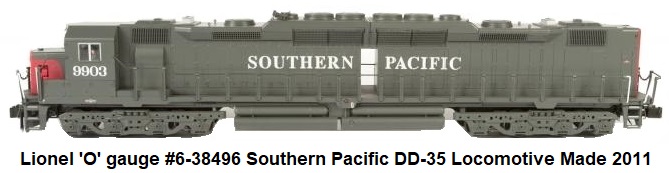
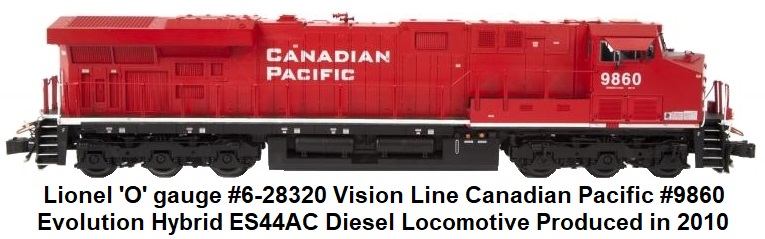 2014 was a transformational year for Lionel. In an attempt to connect with the youth of the current generation,
the company launched new digital age products, including an LCS app that allows train operation from iOS devices
(iPads, iPhones). Lionel also entered the open source realm. In January, the company opened up its layout protocols to
allow train sets equipped with WiFi to be controlled by smartphone and tablet application software. And not just its own
app, Lionel allowed other developers to create apps capable of controlling model train sets. Lionel’s own LCS app allowed
control of entire train layouts so long as the right hardware was employed, from lights to sounds to track switching.
Because Lionel allowed the use of its protocols royalty-free, it was now possible to develop apps that allow control of
model trains made by other manufacturers, all from a single app. It could also pull in a lot of data about
someone’s train set if its equipped with the right hardware, like Lionel’s SensorTrack, so you can tell which trains are
where on a given layout. Another product that Lionel used to get into the digital space was their iOS game Battle Train.
This free-to-play game was about an apocalyptic future where travel is completely limited to railroads. As a player
traveled from one destination to another, they battled with other trains. At its launch during the summer, over
130,000 people downloaded the game. Another digital initiative of Lionel’s, was its Tracks website. The site, which
was developed by RED Interactive, is a collection of a lot of different articles and stories for those interested in trains
and the culture around them. The site was not limited to model trains only, with stories on topics such as light rail in
Ethiopia to the story behind the legend of Casey Jones.
2014 was a transformational year for Lionel. In an attempt to connect with the youth of the current generation,
the company launched new digital age products, including an LCS app that allows train operation from iOS devices
(iPads, iPhones). Lionel also entered the open source realm. In January, the company opened up its layout protocols to
allow train sets equipped with WiFi to be controlled by smartphone and tablet application software. And not just its own
app, Lionel allowed other developers to create apps capable of controlling model train sets. Lionel’s own LCS app allowed
control of entire train layouts so long as the right hardware was employed, from lights to sounds to track switching.
Because Lionel allowed the use of its protocols royalty-free, it was now possible to develop apps that allow control of
model trains made by other manufacturers, all from a single app. It could also pull in a lot of data about
someone’s train set if its equipped with the right hardware, like Lionel’s SensorTrack, so you can tell which trains are
where on a given layout. Another product that Lionel used to get into the digital space was their iOS game Battle Train.
This free-to-play game was about an apocalyptic future where travel is completely limited to railroads. As a player
traveled from one destination to another, they battled with other trains. At its launch during the summer, over
130,000 people downloaded the game. Another digital initiative of Lionel’s, was its Tracks website. The site, which
was developed by RED Interactive, is a collection of a lot of different articles and stories for those interested in trains
and the culture around them. The site was not limited to model trains only, with stories on topics such as light rail in
Ethiopia to the story behind the legend of Casey Jones.
After Weaver Quality Craft closed its doors in 2015, Lionel acquired the Weaver
tooling for products produced in the United States. Most of the older, scale sized Weaver cars that date back to when Bob
Weaver still owned the company were included in the USA produced items, along with the bodies for the RS-3 (RSD-4/5), the
Alco FA-2's, and the GP-38's. Some of the newer cars that were made in the USA were the Milwaukee Road rib-sided box car,
the fish belly flat cars and the woodside gondolas. By 2017 Lionel was showing some newly released freight cars produced
from the former Weaver tooling in their catalogs.
In August 2018 Lionel announced that it had agreed to a deal
with ATI Model Products Inc., doing business as Model Power, to acquire a broad range of model train tooling used to produce
the Model Power/Mantua product lines. Final details of the agreement were being worked through and
tooling was expected to transfer to Lionel in September of 2018. No previously produced product was contemplated in the
transaction. This strategic acquisition was intended to accelerate Lionel’s expansion in the HO category, while adding
complementary products and accessories to other portions of its business.
The former owner and CEO of Lionel from 1986 to 1995, Richard Kughn passed away on June 8, 2019 at the age
of 89. Kughn is credited with shepherding in some of the biggest advancements in technology that Lionel and the model train
industry had ever seen, including Liontech, Railsounds and Train Master Command Control (TMCC).
Lionel trains are clearly the most popular of all manufactured ready-to-run toy and model train products in
the United States and many other parts of the world. Being in business and selling products globally for over 125 years has allowed
the brand to establish its dominance of the marketplace. Even while the popularity of the model train hobby has diminished significantly
in the 21st century, there is sill an abundance of collectors who seek out and pay very high premiums for the oldest and rarest versions
of Lionel issues. At a recent Stout auction conducted on February 22, 2025 in West Middlesex, PA, a prewar-era
Standard gauge preproduction dark blue painted 400E locomotive and 400T tender built in the engineering shop at Lionel in the 1930's
as a mechanical and paint sample that is one example of only two known to exist, a final gavel price of $105,000 was attained.
At the same auction, a Lionel prewar-era 2⅞" gauge very rare No. 100 green & black B&O powered electric loco numbered 5 brought
a final gavel price of $35,500. A scarce Lionel prewar-era 2⅞" gauge No. 600 light green unpowered derrick trailer brought
a high bid of $26,500. A Lionel No. 9 'Pay As You Enter' trolley reached a $31,000 final price, a rare one-of-a-kind cream and red paint-
sample boxed passenger set No. 347 achieved $20,500, and an 'O' gauge boxed red 'Macy's Special' passenger set achieved $16,500. The
brass prototype for the scale model of the No. 701 PRR B-6 0-6-0 switcher with slope-back tender went for $20,500. A Lionel prewar standard
gauge harder to find uncataloged 408E State car dark green electric 0-4-4-0 loco with brass ventilators and red lettered brass plates in its
original box attained a $16,000 bid. $10,500 was paid for a Standard gauge 'Transcontinental Limited' two-tone brown State set No. 411E,
circa 1930-33.
Link to Lionel Web Site.